Why Do I Gain Belly Fat? The Real Causes and Everyday Fixes
| Why it happens | Belly fat is driven by diet, stress hormones, sleep, activity and age — not willpower alone. |
| The hidden driver | Chronic stress raises cortisol, which encourages fat storage around the midsection. |
| What helps most | Protein, soluble fiber, resistance training, steady sleep and lower stress. |
| Where a supplement fits | A fiber-first daily capsule can support fullness and appetite — it does not spot-reduce fat. |
First, what belly fat actually is
If you have ever asked why do I gain belly fat when the rest of your body seems to hold steady, you are not imagining it. The abdomen is one of the body’s preferred storage sites, and it behaves a little differently from fat elsewhere. Understanding what is going on beneath the surface makes the everyday fixes make far more sense.
There are really two kinds of belly fat. Subcutaneous fat sits just under the skin — it is the soft layer you can pinch. Visceral fat sits deeper, wrapped around the organs in your abdominal cavity. Visceral fat is more metabolically active, which is why doctors pay attention to waist size, not just the number on the scale. The reassuring part is that visceral fat also tends to respond well to the same sensible habits that reduce overall body fat.
Crucially, you cannot choose where your body stores or burns fat. There is no exercise or food that melts fat from one spot. So the honest answer to “how do I lose belly fat” is really “how do I lower total body fat and keep it off” — and then let your midsection follow along, which it usually does, just on its own timeline.
The real causes of belly fat
Belly fat rarely has a single cause. It is usually the sum of several everyday factors nudging your body toward storage. Here are the ones that matter most.
1. A diet heavy in refined carbs, sugar and alcohol
Highly processed foods — white bread, pastries, sugary drinks, snacks built around refined flour and sugar — are absorbed quickly and spike blood sugar. That prompts insulin to rise, and insulin is the hormone that signals your body to store energy. A steady diet of fast-digesting carbohydrates keeps that storage signal switched on more often than it needs to be.
Alcohol deserves its own mention. It is calorie-dense, it lowers inhibitions around food, and the body prioritises burning it over stored fat while it is being processed. This is where the phrase “beer belly” comes from, though wine and spirits contribute just the same. None of this means one drink or one treat causes belly fat — it is the everyday pattern that adds up.
2. Chronic stress and cortisol
This is the driver most people overlook. When you are under ongoing pressure, your body releases cortisol. In short bursts cortisol is useful, but when it stays elevated for weeks and months it is associated with more fat being stored around the abdomen specifically, and with stronger cravings for sugary, high-fat comfort foods. If your life is busy and stressful and your waistband keeps creeping, cortisol is a likely part of the story. We cover this in depth in our guide to how stress causes weight gain.
3. Too little sleep
Short or broken sleep tips your hunger hormones in the wrong direction — raising ghrelin (which tells you to eat) and lowering leptin (which signals fullness). A tired brain also reaches more readily for quick, calorie-dense food. Over time, a chronic sleep debt is quietly linked with more abdominal fat, which is why fixing your sleep is one of the highest-leverage changes you can make.

4. Falling muscle mass and a sedentary routine
Muscle is metabolically expensive tissue — it burns energy even at rest. From your thirties onward, most people slowly lose muscle unless they actively work to keep it, and less muscle means a lower resting metabolism. Combine that with long hours sitting, and you have a recipe for gradual fat gain that lands, once again, around the middle. This is closely tied to the signs of a slow metabolism many people notice as they get older.
5. Hormones, age and genetics
Hormonal shifts change fat distribution. In women, the drop in oestrogen around menopause tends to move fat storage from the hips toward the abdomen. In men, gradually declining testosterone can have a similar effect. Genetics also play a role in where you store fat first. You cannot change your genes or your age, but you can change the habits layered on top of them — and those habits still make a real difference.
Support your midsection goals the sustainable way
SlimSure combines glucomannan fiber with seven more named actives in one simple daily capsule — an easy way to support appetite and everyday metabolism while you build the habits that matter. Backed by a 60-day money-back guarantee.
See SlimSure Packages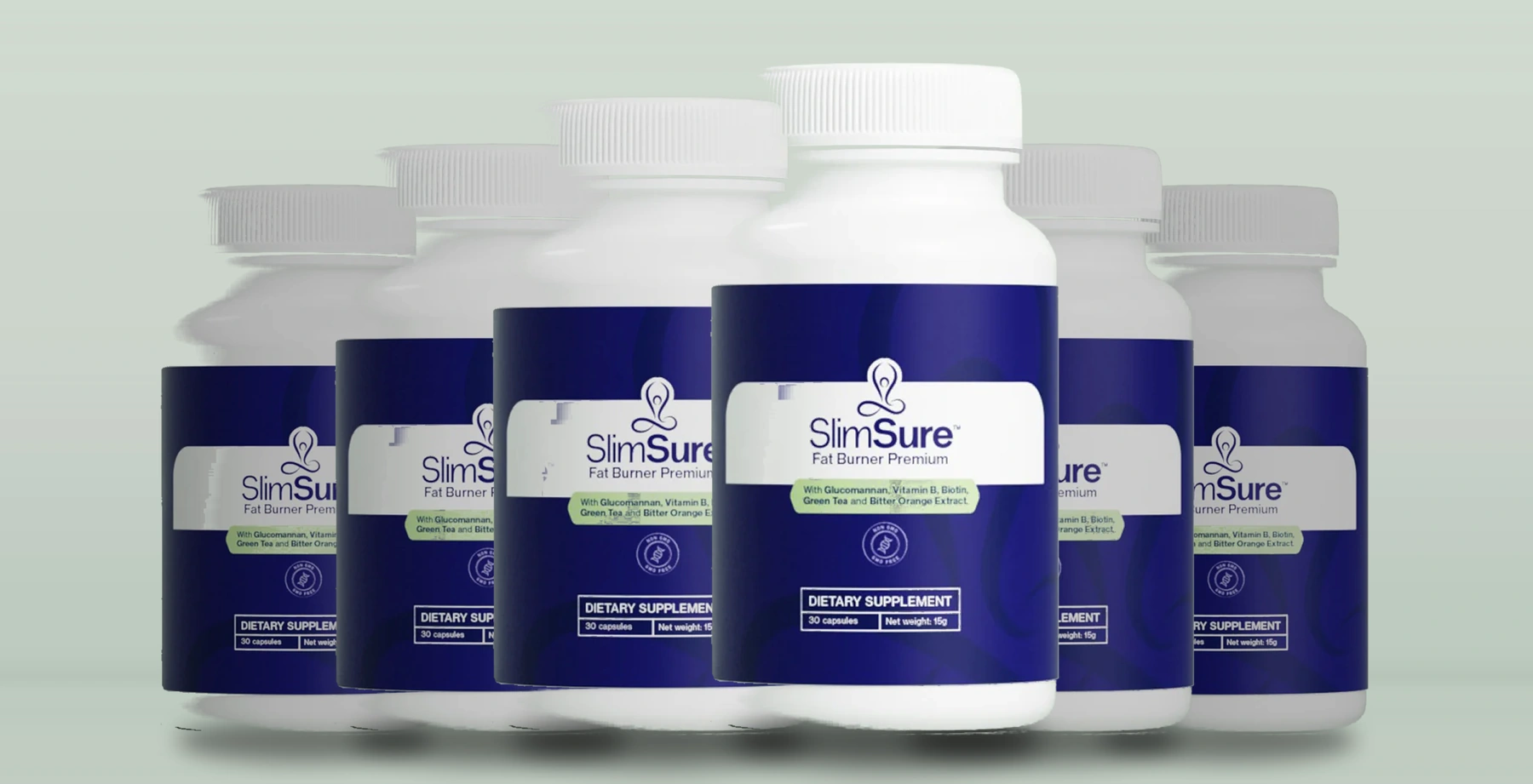
Everyday fixes that actually move the needle
Now the useful part. Because belly fat responds to overall fat loss, the fixes are the fundamentals done consistently — not a gimmick or a crash plan. Here is where to focus your energy.
Build meals around protein and fiber
Protein is the most satiating macronutrient and it helps preserve muscle while you lose fat. Anchor each meal with a protein source — eggs, fish, poultry, tofu, Greek yogurt or legumes. Then add soluble fiber from beans, oats, chia, vegetables and fruit. Fiber slows digestion and helps you feel full on less, which naturally trims the refined carbs that drive storage. If you want a deeper dive on using fiber to manage hunger, see our guide on how to curb appetite for weight loss.
Lift something heavy a few times a week
Resistance training — bodyweight, bands, dumbbells, machines, anything progressive — is the single best tool for protecting and building muscle. More muscle means a higher resting metabolism and a body that handles carbohydrates better. You do not need a gym or hours a day; two or three short, focused sessions a week compound impressively over months.
Move often, not just intensely
Daily movement outside of formal workouts — walking, taking stairs, standing more, a stroll after meals — adds up to a surprising amount of energy burned and helps steady blood sugar. A ten-minute walk after your largest meal is one of the simplest habits with an outsized payoff.
Protect your sleep and defuse stress
Aim for seven to nine hours and keep a consistent schedule. For stress, you do not need to eliminate it — just build in regular resets: a short walk, a few minutes of slow breathing, time away from screens. Lowering the cortisol drip directly targets one of belly fat’s biggest hidden drivers.
- ✓ Cut liquid sugar first — sodas, sweetened coffees and juices add up fast.
- ✓ Keep alcohol occasional rather than daily.
- ✓ Front-load protein and fiber at breakfast to steady the whole day.
- ✓ Walk for ten minutes after your biggest meal.
- ✓ Give any change four to eight weeks before judging it — patience beats intensity.
What the research says about abdominal fat
Stress has a specific, documented relationship with the midsection. A review in Obesity Reviews (2001) set out the case that a repeatedly activated stress response promotes abdominal fat storage and the metabolic problems that travel with it. Sleep is closely tied to the same pattern: a review in Physiology & Behavior (2014) describes how short and irregular sleep tracks with poorer diet quality and a positive energy balance.
For women, the pattern has a second driver. A longitudinal analysis in JCI Insight (2019) found that the shift of fat toward the abdomen aligns with the menopause transition itself rather than with ageing, which is why we treat menopause weight gain as its own topic. On the diet side, the most reliable everyday lever remains fiber: a review in Nutrition (2005) links higher fiber intakes with lower body weight and lower energy intake.
Where a fiber-first supplement fits
No capsule targets belly fat, and any product that promises effortless spot-reduction is not being straight with you. What a well-built formula can do is make the fundamentals easier to keep. SlimSure is designed around this idea: a soluble-fiber base of glucomannan to support fullness, plus botanicals such as green tea and bitter orange extract that are traditionally used to support everyday metabolism, together with raspberry ketones, L-carnitine, a vitamin B complex and biotin — eight named actives in a single once-daily capsule.
Used consistently alongside protein, fiber, movement and sleep, a fiber-first capsule becomes one more small lever working in your favour. Think of it as support for ordinary, busy days — not a shortcut around them. For more on how the pieces fit together, browse the SlimSure blog or start on our homepage.
FAQ
Why do I gain belly fat even when I do not eat much?
Belly fat is shaped by more than portion size. Stress hormones, poor sleep, alcohol, refined carbohydrates, falling muscle mass and hormonal shifts with age can all encourage the body to store fat around the midsection even on a modest diet. Total calories still matter, but these factors decide where the weight tends to settle.
Does stress really cause belly fat?
Ongoing stress raises the hormone cortisol, which is linked with more fat being stored around the abdomen and with stronger cravings for sugary, high-fat comfort foods. Managing stress with sleep, movement and short daily resets is one of the more underrated ways to support a flatter midsection.
Why is belly fat harder to lose than fat elsewhere?
You cannot spot-reduce fat from one area, so the belly is usually one of the last places to change. It often responds to the same basics that reduce total body fat — a modest calorie deficit, more protein and fiber, resistance training and better sleep — applied patiently over time.
Can a fiber supplement help with belly fat?
A soluble-fiber supplement such as glucomannan does not target the belly specifically, but by supporting fullness it can make a sensible calorie intake easier to keep. SlimSure is designed to support everyday appetite and metabolism alongside balanced meals and activity, not to replace them.
The SlimSure Research Team is an independent group of writers and reviewers focused on everyday weight management, nutrition and dietary-supplement science. We translate peer-reviewed research and guidance from bodies such as the NIH and Harvard T.H. Chan School of Public Health into plain, practical advice. Our articles are informational only and are reviewed for accuracy before publishing; they are not a substitute for personalised medical care. |
References
- Björntorp P. Do stress reactions cause abdominal obesity and comorbidities? Obesity Reviews, 2001. PMID: 12119665.
- Chaput JP. Sleep patterns, diet quality and energy balance. Physiology & Behavior, 2014. PMID: 24051052.
- Greendale GA, Sternfeld B, Huang M, et al. Changes in body composition and weight during the menopause transition. JCI Insight, 2019. PMID: 30843880.
- Slavin JL. Dietary fiber and body weight. Nutrition, 2005. PMID: 15797686.
- Harvard T.H. Chan School of Public Health, The Nutrition Source — Waist Size Matters.
- National Institutes of Health, Office of Dietary Supplements — Dietary Supplements for Weight Loss: Fact Sheet for Consumers.
† These statements have not been evaluated by the Food and Drug Administration. This product is not intended to diagnose, treat, cure or prevent any disease. This article is for general information only and is not medical advice; consult a qualified healthcare professional before making changes to your diet or supplement routine.