How to Curb Appetite for Weight Loss: A Fiber-First Guide
| The core idea | Appetite responds to what and how you eat — you can shape it instead of fighting it. |
| Biggest lever | Soluble fiber (like glucomannan) and protein early in a meal help you feel full on less. |
| Support the basics | Water before meals, steady sleep and lower stress all quiet hunger signals. |
| Where a supplement fits | A fiber-first daily capsule can back up good habits — it does not replace them. |
Why appetite is the hardest part of weight management
Almost everyone who has tried to lose weight knows the pattern: the plan is clear, the intentions are good, and then by mid-afternoon hunger takes over. Appetite is not a character flaw — it is biology. Your brain and gut constantly trade signals about energy, and when those signals point to “eat more,” willpower is a weak and tiring counter-argument.
The good news is that appetite is also trainable. The foods you choose, the order you eat them in, how much you sleep and how hydrated you are all change how hungry you feel later. Instead of white-knuckling your way through cravings, you can set up your day so that feeling satisfied is the default. This guide walks through the levers that matter most, in rough order of impact.
Start with soluble fiber — the fullness trick
If there is one nutrient that punches above its weight for appetite, it is soluble fiber. Unlike refined carbohydrates that are absorbed quickly, soluble fiber absorbs water and forms a soft gel in the stomach. That gel slows the rate at which your stomach empties, which helps promote a natural feeling of fullness and steadies the rise and fall of blood sugar after a meal.
One of the most studied soluble fibers is glucomannan, a fiber extracted from the root of the konjac plant. It is remarkably absorbent — gram for gram it holds a large amount of water — which is exactly why it is a popular starting point in fiber-first weight-management routines. Taken with a full glass of water before a meal, it expands gently so you arrive at the table already feeling less ravenous.
You do not need a supplement to get more fiber, and food should come first: beans, lentils, oats, chia, apples, pears, carrots and Brussels sprouts are all excellent sources. The catch is that most people fall well short of the recommended daily fiber intake, and old habits are hard to shift overnight. That gap is where a measured, fiber-first daily capsule can quietly help.
A fiber-first habit you can actually keep
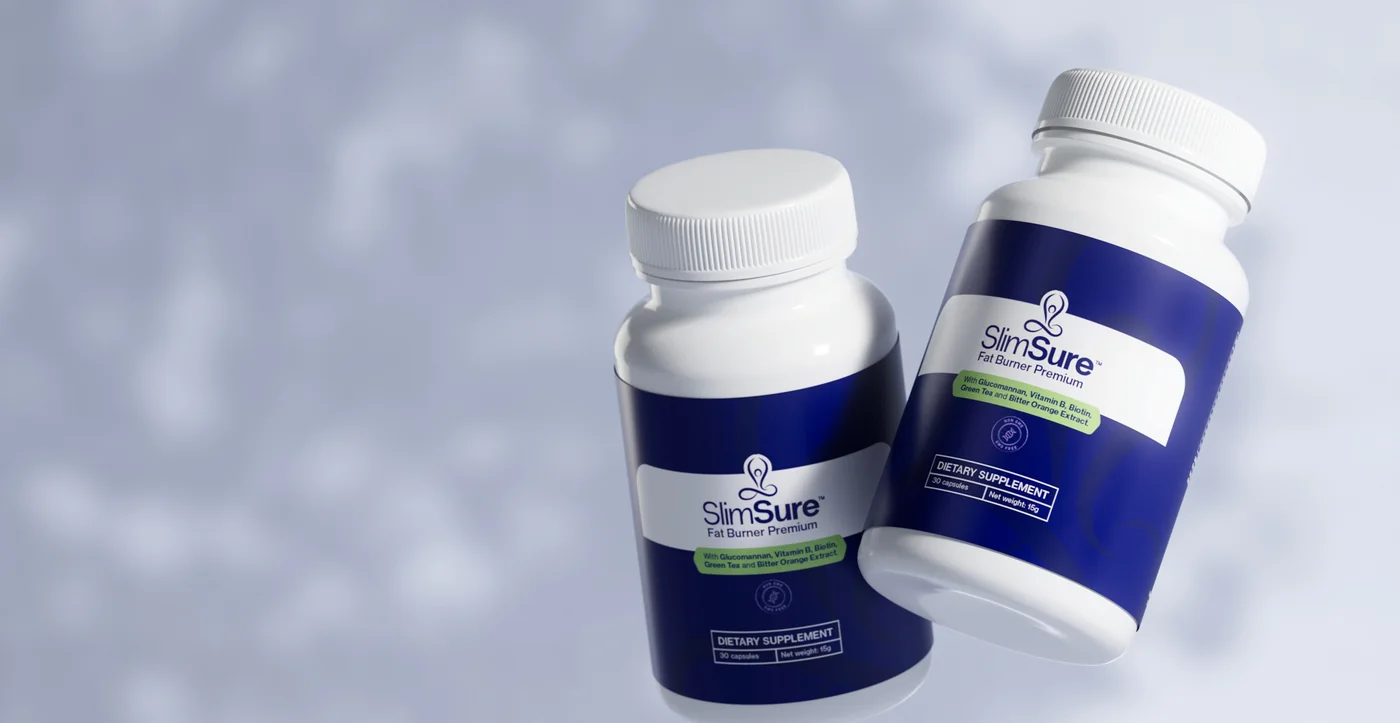
SlimSure puts glucomannan fiber alongside seven more named actives in one simple daily capsule — an easy way to support appetite and everyday metabolism. Backed by a 60-day money-back guarantee.
See SlimSure PackagesProtein, water and the timing of your meals
After fiber, protein is your best friend at the table. Protein is the most satiating of the three macronutrients, meaning it keeps you feeling full longer per calorie. Building each meal around a protein source — eggs, fish, poultry, tofu, Greek yogurt or legumes — naturally crowds out the refined carbs that spike hunger a couple of hours later.
Order matters, too. Eating your vegetables and protein before the starchy part of a meal has been shown in small studies to blunt the post-meal blood-sugar rise, which can help curb the rebound hunger that follows a fast spike. And do not underestimate plain water: a large glass ten to fifteen minutes before eating fills part of the stomach and is often mistaken-thirst insurance, since the body sometimes reads thirst as hunger.
Finally, avoid arriving at a meal completely famished. Long gaps with nothing to eat feel virtuous but usually backfire, driving you toward fast, calorie-dense choices. A predictable rhythm — three balanced meals, or three meals plus a protein-and-fiber snack — keeps appetite on a gentler curve.
Sleep, stress and the hunger hormones
Appetite is governed in part by two hormones: ghrelin, which tells you to eat, and leptin, which signals fullness. Short or broken sleep tends to raise ghrelin and lower leptin, which is why a bad night so often becomes a hungry, snack-heavy day. Prioritising seven to nine hours of sleep is one of the most underrated appetite tools there is.
Chronic stress works in a similar direction. Elevated cortisol can nudge you toward sugary, high-fat “comfort” foods and make cravings feel more urgent. You cannot eliminate stress, but simple resets — a short walk, a few minutes of slow breathing, stepping away from the screen — take the edge off the cravings that stress creates.
Small habits that quietly reduce cravings
Big results usually come from unglamorous habits repeated often. A few that reliably help:
- ✓ Keep tempting snacks out of sight; keep fruit and protein easy to reach.
- ✓ Eat slowly — it takes roughly 20 minutes for fullness signals to register.
- ✓ Front-load fiber and protein at breakfast to steady the whole day.
- ✓ Watch liquid calories; sweet drinks add energy without curbing hunger.
- ✓ Move a little after meals — a short walk supports steady energy and digestion.
None of these require a dramatic overhaul. Stack two or three that fit your life, give them a couple of weeks, and let the results build.
What the research says about curbing appetite
Two levers have the best evidence behind them, and neither is exotic. Fiber is the first: a review in Nutrition (2005) found higher fiber intakes track with lower energy intake and lower body weight, mostly through slower eating and longer fullness — the reasoning behind our list of the best high-fiber foods for weight loss. Protein is the second: a review in the American Journal of Clinical Nutrition (2015) reported that higher-protein intakes raise satiety and protect lean mass while losing weight, which is why a high-protein breakfast does more for the afternoon than a pastry does.
Sleep belongs on the same list. Imaging work in Nature Communications (2013) showed that one deprived night shifts food desire toward high-calorie choices, so a bad week of sleep can undo a good week of eating — a pattern we unpack in our guide to constant hunger. And on supplements, the honest evidence is mixed: a reanalysis of the randomised trials in Nutrition (2015) corrected earlier data errors and found no statistically significant effect of glucomannan on body weight, even though its satiety mechanism is real. The Dietary Supplements for Weight Loss: Fact Sheet for Consumers reaches the same cautious conclusion across the category.
Where a fiber-first supplement fits
Supplements are not magic, and any product that promises effortless weight loss is not being honest with you. What a well-built formula can do is make a good habit easier to keep. SlimSure is designed around this idea: a soluble-fiber base of glucomannan to support fullness, plus botanicals such as green tea and bitter orange extract that are traditionally used to support everyday metabolism, together with raspberry ketones, L-carnitine, a vitamin B complex and biotin — eight named actives in a single once-daily capsule.
Used consistently alongside the basics in this guide — fiber, protein, water, sleep and a little movement — a fiber-first capsule becomes one more small lever working in your favour. It is support for ordinary days, not a replacement for them.
FAQ
What is the fastest way to curb appetite naturally?
There is no instant switch, but the most reliable levers are soluble fiber and protein at the start of a meal, a large glass of water before eating, and enough sleep. Together these help you feel satisfied on a sensible portion instead of relying on willpower alone.
Does fiber really help you feel full?
Soluble fibers such as glucomannan absorb water and form a gel in the stomach, which slows how quickly it empties and helps promote a natural feeling of fullness. This is why fiber-first meals tend to feel more satisfying than the same calories from refined foods.
When should I take a fiber supplement for appetite?
Most people take a glucomannan-based supplement with a full glass of water shortly before their main meal, so the fiber has time to expand. Always follow the directions on the product label and drink plenty of water.
Can supplements replace healthy eating?
No. A supplement like SlimSure is designed to support sensible eating and regular movement, not to replace them. It is one small, consistent habit that works alongside the basics of balanced meals, protein, sleep and activity.
References
- Slavin JL. Dietary fiber and body weight. Nutrition, 2005. PMID: 15797686.
- Leidy HJ, Clifton PM, Astrup A, et al. The role of protein in weight loss and maintenance. American Journal of Clinical Nutrition, 2015. PMID: 25926512.
- Greer SM, Goldstein AN, Walker MP. The impact of sleep deprivation on food desire in the human brain. Nature Communications, 2013. PMID: 23922121.
- Zalewski BM, Chmielewska A, Szajewska H, et al. Correction of data errors and reanalysis of “The effect of glucomannan on body weight in overweight or obese children and adults: a systematic review of randomized controlled trials”. Nutrition, 2015. PMID: 26059384.
- Harvard T.H. Chan School of Public Health, The Nutrition Source — Fiber.
- National Institutes of Health, Office of Dietary Supplements — Dietary Supplements for Weight Loss: Fact Sheet for Consumers.
† These statements have not been evaluated by the Food and Drug Administration. This product is not intended to diagnose, treat, cure or prevent any disease. This article is for general information only and is not medical advice; consult a qualified healthcare professional before making changes to your diet or supplement routine.