Does Stress Cause Weight Gain? Cortisol, Cravings and the Everyday Fixes
| Short answer | Indirectly, yes — stress drives hormones and habits that make weight gain more likely. |
| The hormone | Chronic stress keeps cortisol elevated, raising appetite and midsection fat storage. |
| The behaviours | Emotional eating, sugar cravings, poor sleep and less movement. |
| What helps | Stress resets, steady sleep, protein and fiber, movement — plus everyday appetite support. |
The honest answer: stress works indirectly
So, does stress cause weight gain? Not in the sense of adding pounds out of thin air — energy still has to come from somewhere. But the more useful answer is yes, indirectly and powerfully. Stress rewires your hormones, your appetite, your sleep and your daily choices in ways that make weight gain far more likely, often without you connecting the dots. If your weight crept up during a demanding stretch of life, this is very likely part of the story.
Stress-related weight gain is a cycle, not a single event. Pressure raises certain hormones; those hormones increase cravings and disrupt sleep; poor sleep and cravings lead to more eating and less movement; the resulting changes create more stress. The good news is that because it is a cycle, you can interrupt it at several points — and you do not have to fix everything at once.
How stress leads to weight gain
1. Cortisol, the stress hormone
When you face a challenge, your body releases cortisol as part of the fight-or-flight response. In short bursts this is healthy and even helpful. The problem is chronic stress — the low-grade, always-on kind from work, money, caregiving or a noisy world. Persistently elevated cortisol is associated with increased appetite, stronger cravings for sugary, high-fat foods, and a tendency to store fat around the abdomen specifically. That midsection connection is why we cover it again in our guide to why you gain belly fat.
2. Emotional eating
Food is one of the fastest ways to feel better in the moment, and stress makes comfort eating especially tempting. Emotional eating means reaching for food to soothe feelings rather than to satisfy physical hunger — and it tends to steer you toward calorie-dense, hyper-palatable foods, in larger amounts, often without much awareness. It is a completely human response, not a character flaw, and it responds well to awareness and better coping habits.

3. Stress wrecks your sleep
A stressed, racing mind is the enemy of good sleep, and short sleep tips the hunger hormones ghrelin and leptin toward “eat more.” A tired brain also craves quick energy from sugar and refined carbs and has less willpower to resist them. Stress and poor sleep reinforce each other, and both push in the direction of weight gain — which is part of why a stalled diet so often traces back here (see weight-loss plateau causes).
4. Less movement, more sitting
When you are overwhelmed, exercise is usually the first thing to go, and daily movement quietly shrinks too. Lower activity means a smaller calorie burn and fewer of the mood benefits that movement provides — removing one of the best natural buffers against stress at exactly the moment you need it most.
Support steadier appetite on stressful days
SlimSure’s glucomannan-fiber base is designed to support fullness, making it easier to ride out stress-driven cravings — alongside seven more named actives for everyday metabolism support. One simple daily capsule, backed by a 60-day money-back guarantee.
See SlimSure Packages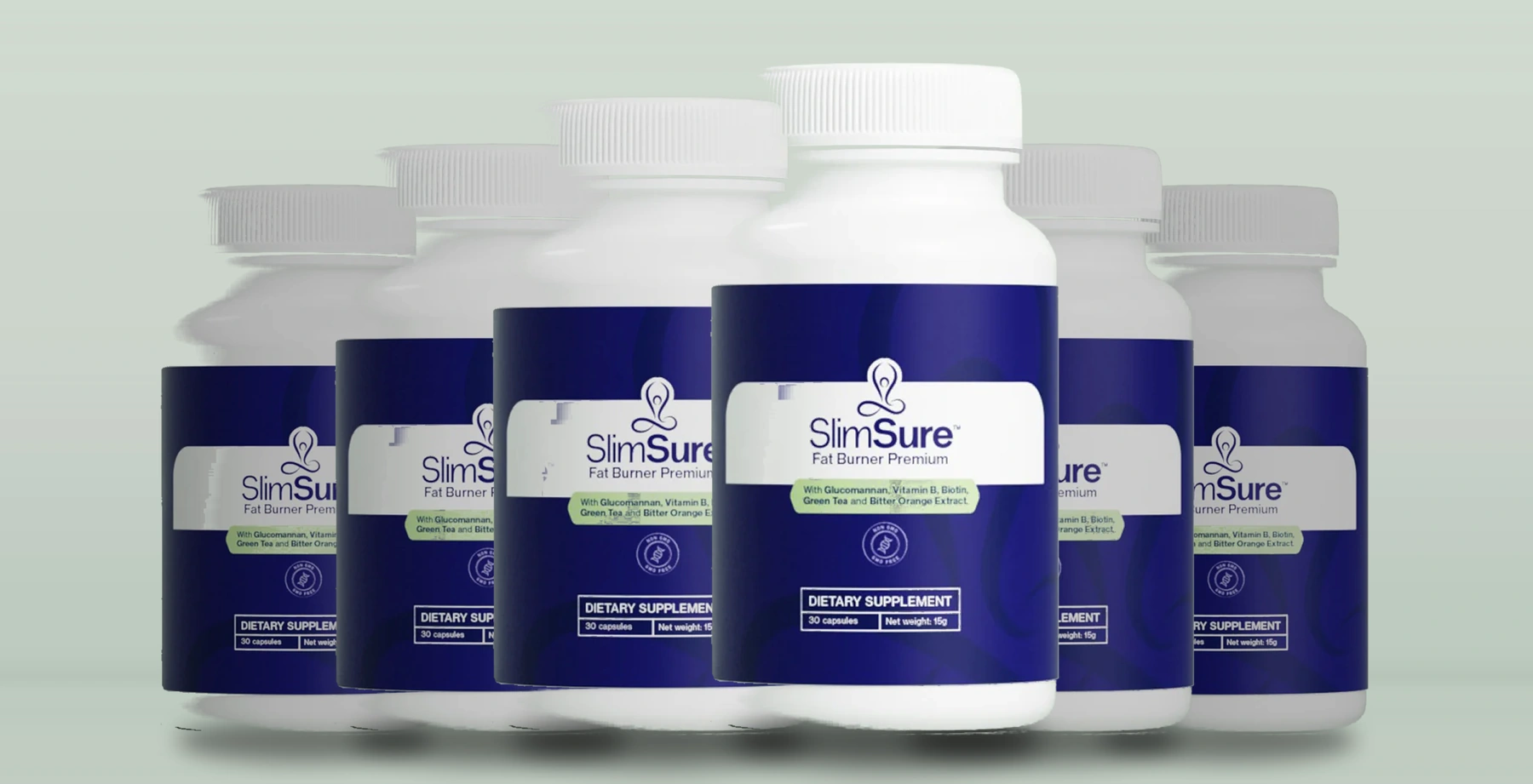
Not all stress is the same
It is worth separating two kinds of stress, because they behave very differently. Acute stress — a deadline, a near-miss in traffic, a hard workout — spikes cortisol briefly and then resolves. This kind is normal and even beneficial; the body is built to handle it. Chronic stress is the problem: the constant, low-grade pressure that never fully switches off, keeping cortisol elevated week after week. It is chronic stress, not the occasional bad day, that is most strongly linked with increased appetite, stubborn cravings and midsection fat storage. This matters for your fixes, too — the goal is not to remove all stress, which is impossible and unnecessary, but to make sure your body regularly returns to a calm baseline instead of living in a permanent state of alert.
How to break the stress-and-weight cycle
You cannot eliminate stress from modern life, but you can change how your body and habits respond to it. These everyday fixes target the cycle at its weakest points.
Build in daily stress resets
You do not need an hour of meditation. A five-minute walk outside, a few rounds of slow breathing, stepping away from the screen, or a short stretch all lower the moment-to-moment stress response and take the edge off cravings. Done consistently, these small resets keep cortisol from staying stuck in the “on” position.
Protect your sleep
Guard seven to nine hours with a consistent schedule and a wind-down routine. Because sleep sits at the centre of the stress-weight cycle, improving it often improves appetite, cravings and energy all at once — the highest-leverage single change most people can make.
Eat to steady your appetite
Anchor meals with protein and soluble fiber so you feel full and your blood sugar stays steadier, which blunts the crash-and-crave pattern that stress amplifies. Do not skip meals when busy — arriving ravenous makes emotional eating far more likely. Our guide on how to curb appetite for weight loss covers this in detail.
Move for your mood, not just your waistline
Exercise is one of the most effective natural stress relievers there is. Even a brisk daily walk lifts mood, improves sleep and burns energy — hitting the cycle from several angles at once. Choose movement you enjoy so it survives a stressful week.
- ✓ Pause before stress-snacking: “Am I hungry, or am I stressed?”
- ✓ Keep trigger foods out of the house; keep protein and fruit within reach.
- ✓ Build a 5-minute reset you can do anywhere — breath, walk, stretch.
- ✓ Protect a consistent bedtime, even on busy nights.
- ✓ Do not diet harder in response to stress — steady beats extreme.
What the research says about stress and weight
The link is behavioural before it is hormonal. A laboratory study in Psychoneuroendocrinology (2001) found that women who released more cortisol under a controlled stressor went on to eat more, and to choose sweeter foods, than women whose cortisol response was smaller. A six-month prospective study in Obesity (2017) followed that thread further and found that cortisol and related appetite hormones predicted later increases in food cravings and weight.
For the midsection specifically, a review in Obesity Reviews (2001) set out the case that a repeatedly activated stress response favours abdominal fat storage — the mechanism behind stress-related belly fat. Sleep is the accelerant: brain-imaging work in Nature Communications (2013) showed that a single night of deprivation shifts food desire toward high-calorie choices, which is why stress and short sleep so often arrive together.
Where a fiber-first supplement fits
No capsule removes stress, and any product that claims to melt away “stress fat” is overpromising. What a fiber-first formula can do is support steadier appetite so stress-driven cravings are a little easier to manage. SlimSure combines a soluble-fiber base of glucomannan with botanicals such as green tea and bitter orange extract that are traditionally used for everyday metabolism, plus raspberry ketones, L-carnitine, a vitamin B complex and biotin — eight named actives in one once-daily capsule.
Alongside stress resets, sleep, balanced meals and movement, it is one more small habit working quietly in your favour. Read more practical guides on the SlimSure blog or start at our homepage.
FAQ
Does stress really cause weight gain?
Stress does not add weight by itself, but it drives behaviours and hormonal shifts that make weight gain more likely. Ongoing stress raises cortisol, increases cravings for sugary and fatty foods, disrupts sleep and reduces motivation to move — a combination that can lead to gradual weight gain, often around the abdomen.
How does cortisol affect weight?
Cortisol is a stress hormone that, when chronically elevated, is associated with increased appetite, stronger cravings for high-calorie comfort foods, and a tendency to store fat around the midsection. Managing stress helps keep cortisol from staying elevated day after day.
What is emotional eating and how do I stop it?
Emotional eating is using food to soothe feelings rather than physical hunger. Helpful steps include noticing your triggers, pausing to ask whether you are truly hungry, building non-food coping habits like a short walk or breathing, keeping trigger foods out of easy reach, and not arriving at meals overly hungry.
Can a supplement help with stress-related weight gain?
No supplement removes stress. A fiber-first product like SlimSure may support fullness and steadier appetite, which can make it easier to resist stress-driven cravings as part of a balanced routine. The core work is stress management, sleep and consistent habits.
The SlimSure Research Team is an independent group of writers and reviewers focused on everyday weight management, nutrition and dietary-supplement science. We translate peer-reviewed research and guidance from bodies such as the NIH and Harvard T.H. Chan School of Public Health into plain, practical advice. Our articles are informational only and are reviewed for accuracy before publishing; they are not a substitute for personalised medical care. |
References
- Epel E, Lapidus R, McEwen B, et al. Stress may add bite to appetite in women: a laboratory study of stress-induced cortisol and eating behavior. Psychoneuroendocrinology, 2001. PMID: 11070333.
- Chao AM, Jastreboff AM, White MA, et al. Stress, cortisol, and other appetite-related hormones: Prospective prediction of 6-month changes in food cravings and weight. Obesity (Silver Spring), 2017. PMID: 28349668.
- Björntorp P. Do stress reactions cause abdominal obesity and comorbidities? Obesity Reviews, 2001. PMID: 12119665.
- Greer SM, Goldstein AN, Walker MP. The impact of sleep deprivation on food desire in the human brain. Nature Communications, 2013. PMID: 23922121.
- American Psychological Association — Stress and Eating.
- National Institutes of Health, Office of Dietary Supplements — Dietary Supplements for Weight Loss: Fact Sheet for Consumers.
† These statements have not been evaluated by the Food and Drug Administration. This product is not intended to diagnose, treat, cure or prevent any disease. This article is for general information only and is not medical advice; consult a qualified healthcare professional before making changes to your diet or supplement routine.