Signs of a Slow Metabolism: Symptoms, Causes and What Helps
| What it is | Metabolism is how your body converts food into energy — a “slow” one burns fewer calories at rest. |
| Common signs | Feeling cold, low energy, sluggish digestion and gradual weight gain. |
| Biggest causes | Muscle loss, crash diets, poor sleep, stress and a sedentary routine. |
| What helps | Protein, resistance training, daily movement, good sleep — plus everyday metabolic support. |
What “slow metabolism” really means
Metabolism is the sum of every chemical process your body uses to turn food into energy — keeping your heart beating, your lungs breathing, your cells repairing and your muscles moving. The largest chunk of it is your basal metabolic rate (BMR): the energy you burn just to stay alive at rest. When people talk about the signs of a slow metabolism, they usually mean a BMR that feels lower than they expect for their size and age, so the same eating habits seem to lead to gradual weight gain.
It helps to set expectations honestly. True, dramatic differences in metabolic rate between two people of the same size are smaller than the internet suggests — and a “slow metabolism” is rarely the sole reason for weight gain. But metabolism is real, it does change over a lifetime, and there are genuine everyday factors that nudge it up or down. Knowing the signs and causes lets you work with your body instead of against it.
Common signs of a slow metabolism
These symptoms are non-specific — meaning each one has many possible explanations — but when several show up together and persist, they are worth paying attention to.
- ✓ Feeling cold easily, especially in the hands and feet, even when others are comfortable.
- ✓ Persistent tiredness or low energy that sleep does not fully fix.
- ✓ Gradual weight gain without an obvious change in how you eat or move.
- ✓ Sluggish digestion, including constipation or a heavy, bloated feeling.
- ✓ Difficulty losing weight even when you cut back on food.
- ✓ Dry skin, brittle nails or thinning hair in some cases.
Important caveat: several of these overlap with conditions such as an underactive thyroid, anaemia, or the side effects of certain medications. If the signs are pronounced or persistent, do not self-diagnose — a simple conversation and blood test with your doctor can rule things in or out.
What slows your metabolism down
Most of the everyday drivers of a sluggish metabolism are within your influence. Here are the ones that matter most.
1. Losing muscle
Muscle is your metabolic engine — it burns more energy at rest than fat does. From your thirties onward, adults tend to lose muscle year on year unless they actively work to keep it. Less muscle means a lower resting burn, which is a leading reason metabolism appears to “slow with age.” The encouraging flip side: muscle is highly trainable at any age. For women, that muscle loss speeds up around the menopause transition, which is why menopause weight gain so often feels like a metabolism problem when it is really a body-composition one.
2. Crash diets and chronic under-eating
Very low-calorie diets can backfire. When intake drops too far for too long, the body adapts by conserving energy and you often lose muscle along with fat — both of which lower your metabolic rate. This is part of why extreme diets so often end in regain. Eating enough, especially enough protein, protects the tissue that keeps your metabolism humming.
3. Poor sleep and chronic stress
Short sleep and ongoing stress disrupt the hormones that govern hunger, energy and fat storage. They also sap the motivation to move and cook, quietly nudging the whole system toward a lower burn. Our companion guide on how stress causes weight gain unpacks the cortisol connection in detail.
4. A sedentary routine
Beyond formal exercise, the little movements of daily life — walking, standing, fidgeting, taking stairs — add up to a meaningful share of daily energy burn (scientists call it NEAT). Long hours sitting shrink that number dramatically, which is why activity woven through the day matters as much as a single workout.
Give your metabolism everyday backup
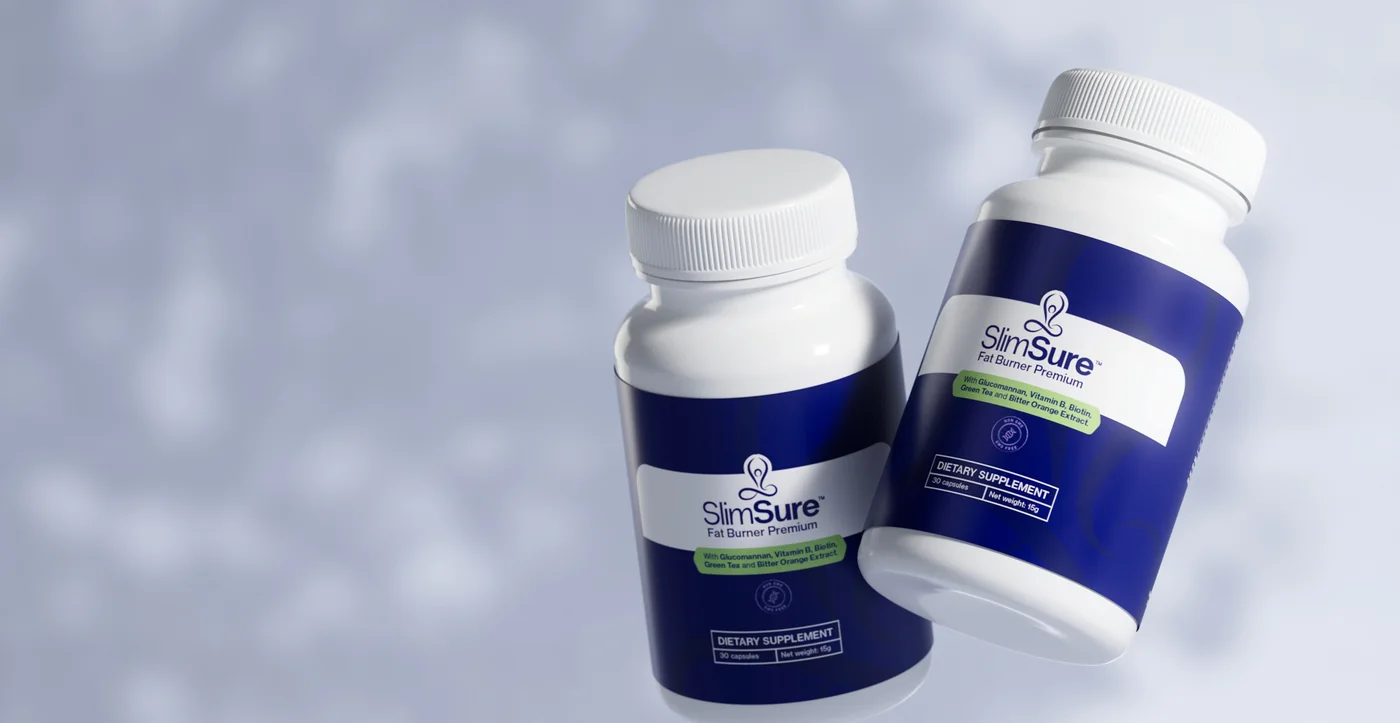
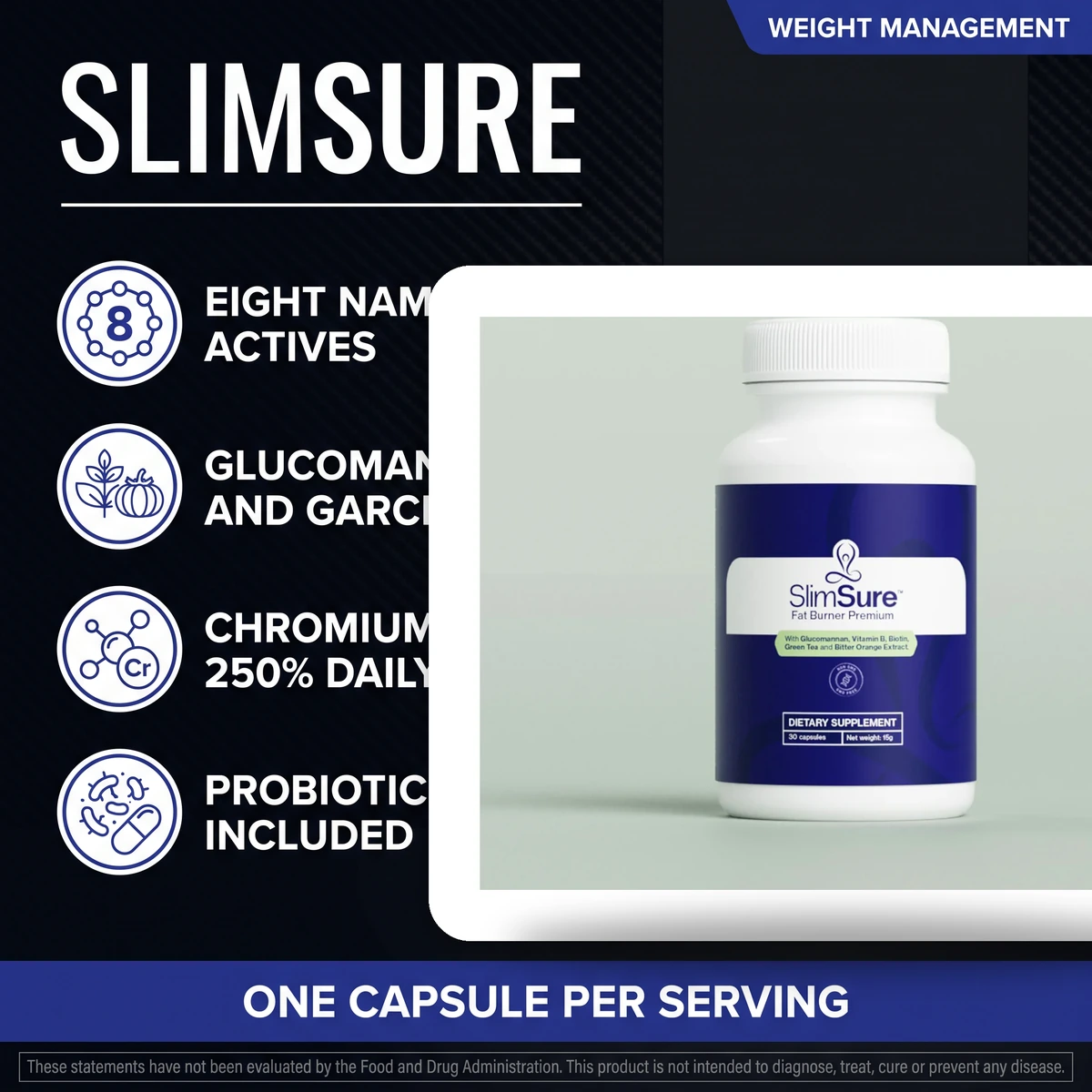
SlimSure pairs glucomannan fiber with green tea, bitter orange, L-carnitine, a B-vitamin complex and more — eight named actives in one daily capsule that support everyday metabolism and appetite. A simple habit to stack on top of good ones. Backed by a 60-day money-back guarantee.
See SlimSure Packages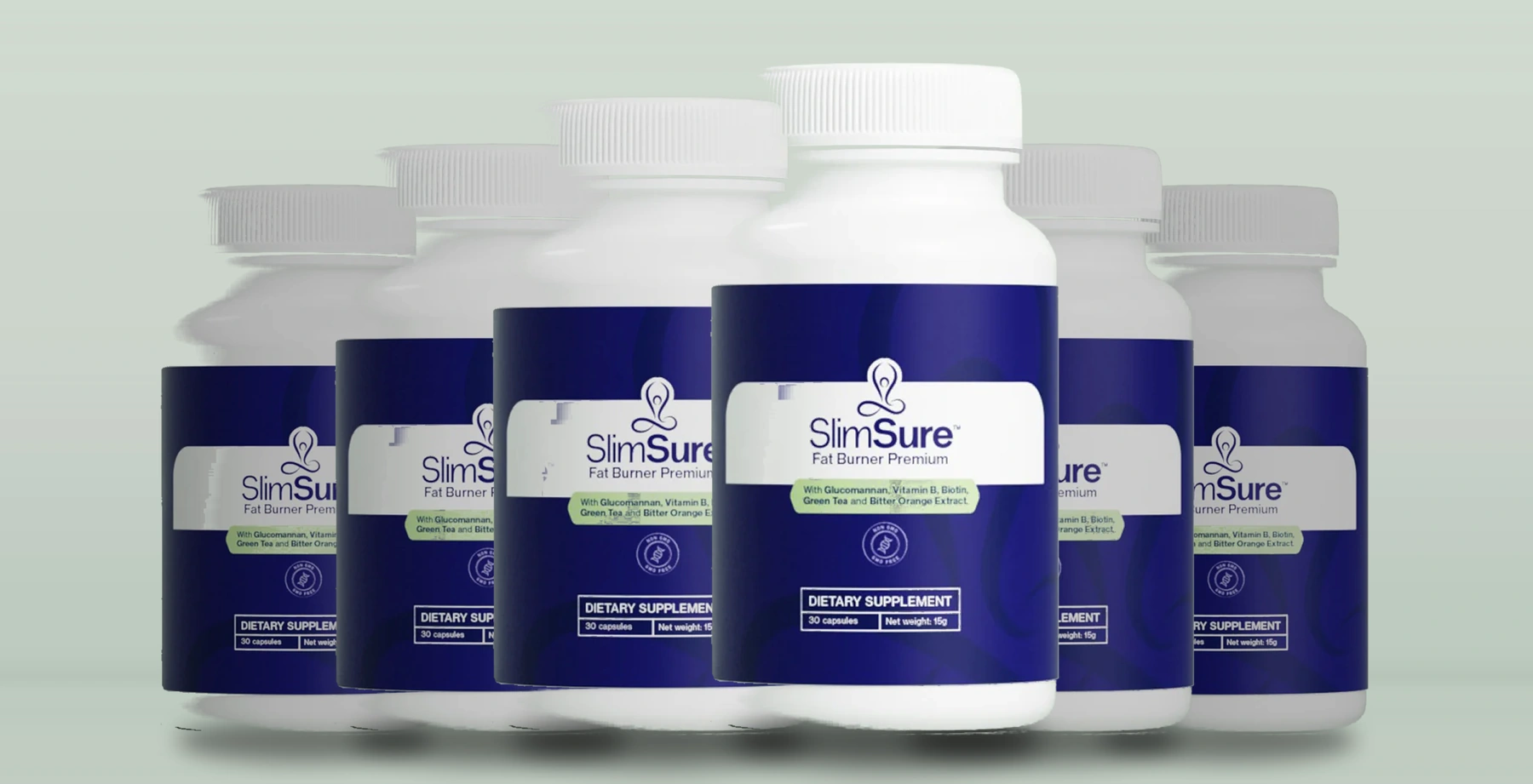
How to support a healthy metabolism naturally
You cannot rewrite your genes or your age, but you can protect and even raise your everyday burn with a handful of high-leverage habits.
Build and keep muscle
Resistance training is the closest thing there is to a metabolism upgrade. Two or three short sessions a week — bodyweight, bands or weights — protect the muscle that does most of your resting calorie burning. You do not need to become a bodybuilder; you just need to keep progressively challenging your muscles.
Eat enough protein
Protein has the highest thermic effect of food, meaning your body burns more energy digesting it than it does carbs or fat. It also preserves muscle during weight loss and keeps you full. Spread it across the day: a protein source at each meal is a simple target.
Move all day, not just at the gym
Stand and walk often, take a stroll after meals, and look for small excuses to move. This everyday activity is a huge, underrated component of daily energy use — and it is far easier to sustain than punishing workouts.
Sleep, hydrate and skip the extremes
Aim for seven to nine hours of sleep, drink water through the day, and avoid crash diets that strip away muscle. Slow, steady, sustainable change protects your metabolic engine far better than dramatic restriction. If your weight loss has stalled despite doing the basics, our guide to weight-loss plateau causes explains what to adjust next.
Common myths about “boosting” metabolism
The internet is full of promises to “torch” or “reset” your metabolism overnight. Most do not hold up. Eating many tiny meals does not meaningfully raise your daily burn compared with fewer larger ones — total intake is what matters. Isolated foods and drinks such as chilli, coffee or green tea nudge energy expenditure only slightly and briefly, so they support good habits rather than replace them. And no single food, pill or tea can override the fundamentals of muscle, movement, sleep and overall diet. The steady, unglamorous habits are what genuinely protect your metabolic rate over the years — and they compound in a way no quick fix can match.
What the research says about metabolic rate
The most important recent finding is also the least intuitive. A large international dataset published in Science (2021) measured total energy expenditure across the human life course and found that, once body size and composition are accounted for, metabolic rate is stable from about age twenty to sixty. The slowdown most people blame for midlife weight gain largely is not there; what changes is muscle mass and movement.
Two smaller effects are real and worth using. Protein has the highest thermic cost of the macronutrients, as summarised in Nutrition & Metabolism (2004), so a protein-led plate burns slightly more in digestion. And after weight loss, energy expenditure does fall below what body size predicts — the adaptive thermogenesis documented in the International Journal of Obesity (2010) — which is a genuine reason a weight-loss plateau feels harder than the first ten pounds. Sitting is the other half of the story, covered in our guide to sedentary weight gain.
Where a daily supplement fits
No pill overrides the fundamentals, and any product that claims to “fix” your metabolism is overpromising. What a thoughtfully built formula can do is offer gentle, everyday support. SlimSure combines a soluble-fiber base of glucomannan with botanicals such as green tea and bitter orange extract that are traditionally used to support everyday metabolism, plus raspberry ketones, L-carnitine, a vitamin B complex and biotin — eight named actives in one once-daily capsule.
Paired with protein, resistance training, daily movement and good sleep, it is one more small, consistent habit working in your favour. For more everyday guidance, explore the SlimSure blog or visit our homepage.
FAQ
What are the most common signs of a slow metabolism?
Common everyday signs include feeling cold easily, persistent tiredness or low energy, gradual weight gain despite no obvious change in eating, sluggish digestion, and difficulty losing weight. These are non-specific and can have many causes, so persistent symptoms are worth discussing with a healthcare professional.
What slows your metabolism down?
The biggest everyday factors are losing muscle with age or inactivity, very low-calorie crash diets, poor sleep, chronic stress and a largely sedentary routine. Some medical conditions and medications also affect metabolic rate, which is why unexplained changes deserve a check-up.
Can you speed up a slow metabolism naturally?
You can support a healthier metabolic rate by building and keeping muscle through resistance training, eating enough protein, staying active through the day, sleeping well and avoiding extreme diets. These habits protect the muscle that does most of your resting calorie burning.
Does SlimSure speed up metabolism?
SlimSure is a dietary supplement designed to support everyday metabolism and appetite as part of a balanced routine. It contains botanicals such as green tea that are traditionally used for metabolic support, but it is not a treatment and works best alongside good habits, not instead of them.
The SlimSure Research Team is an independent group of writers and reviewers focused on everyday weight management, nutrition and dietary-supplement science. We translate peer-reviewed research and guidance from bodies such as the NIH and Harvard T.H. Chan School of Public Health into plain, practical advice. Our articles are informational only and are reviewed for accuracy before publishing; they are not a substitute for personalised medical care. |
References
- Pontzer H, Yamada Y, Sagayama H, et al. Daily energy expenditure through the human life course. Science, 2021. PMID: 34385400.
- Westerterp KR. Diet induced thermogenesis. Nutrition & Metabolism, 2004. PMID: 15507147.
- Rosenbaum M, Leibel RL. Adaptive thermogenesis in humans. International Journal of Obesity, 2010. PMID: 20935667.
- National Institute of Diabetes and Digestive and Kidney Diseases — Understanding Metabolism and Weight.
- National Institutes of Health, Office of Dietary Supplements — Dietary Supplements for Weight Loss: Fact Sheet for Consumers.
† These statements have not been evaluated by the Food and Drug Administration. This product is not intended to diagnose, treat, cure or prevent any disease. This article is for general information only and is not medical advice; consult a qualified healthcare professional before making changes to your diet or supplement routine.