What Causes Water Retention and Bloating? Signs, Triggers and Everyday Fixes
| What it is | Water retention is temporary fluid your body holds — not fat — and it shifts fast. |
| Top triggers | Salty processed foods, a carb jump, hormones, stress, heat and long sitting. |
| Bloating vs. water | Bloating is gas and digestion; water weight is fluid — different fixes. |
| What helps | Less sodium, more potassium and water, movement, fiber and steady sleep. |
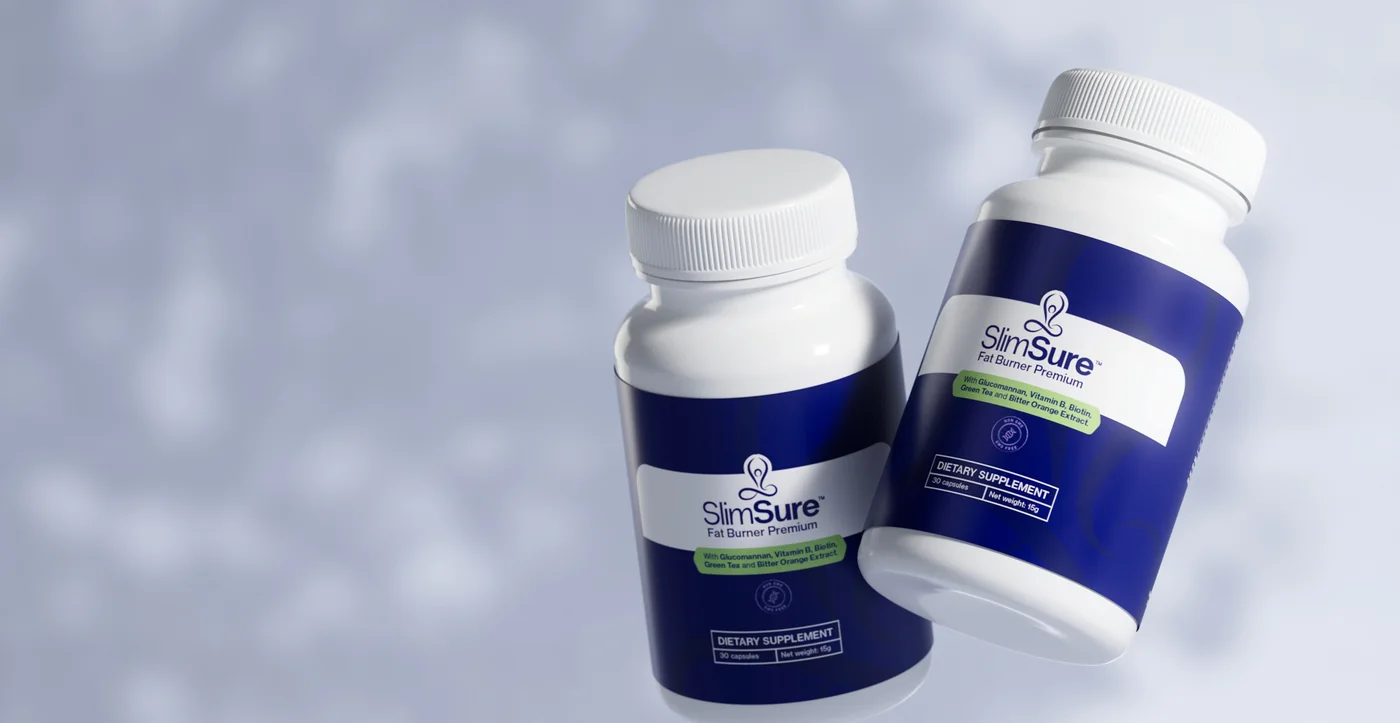
Puffy, heavy and up on the scale — but is it really fat?
You wake up feeling puffy, your rings are tight, and the scale is up three pounds overnight. Before you panic, know this: you did not gain three pounds of fat in a day — that is physically impossible on a normal diet. What you are almost certainly experiencing is water retention and bloating, two of the most common and most misunderstood everyday complaints in weight management. Understanding what causes water retention takes the fear out of the scale and points you to fixes that actually work.
Water retention (also called fluid retention or oedema in its medical form) is when your body holds extra fluid in its tissues. Bloating is a related but separate feeling — a tight, gassy, distended belly that comes mostly from digestion. They often show up together, they are usually temporary, and for most people they are driven by everyday habits rather than anything serious.
Water weight vs. real fat: know the difference
This distinction is the single most useful thing to understand. Fat changes slowly — gaining or losing a pound of it takes a meaningful energy surplus or deficit over days. Water weight can swing by several pounds within 24 to 48 hours in response to what you ate, your hormones, your activity and the weather. So when the scale spikes overnight, it is water; when it drops dramatically in the first week of a diet, that is largely water too. This is exactly why the scale can lie during a diet, a theme we explore in our guide to weight-loss plateau causes.
What causes water retention
1. Too much sodium
Salt is the number-one everyday cause. Sodium pulls water into your tissues to keep the concentration of fluids balanced, so a salty restaurant meal, processed snacks, deli meats or canned soups can leave you holding extra water for a day or two. The fix is rarely a saltless diet — it is cutting back on ultra-processed, high-sodium foods, where most dietary salt actually hides.
2. A sudden jump in carbohydrates
Your body stores carbohydrate as glycogen, and every gram of glycogen is stored with several grams of water. So a big pasta night or a weekend of treats can raise water weight noticeably — and, in reverse, this is why low-carb diets cause a rapid initial “whoosh” of weight loss that is mostly water, not fat.

3. Hormones
Hormonal shifts across the menstrual cycle are a very common cause of cyclical water retention and bloating, particularly in the days before a period. Chronic stress plays a role too: elevated cortisol influences the hormones that regulate fluid balance, which is one more reason stress leaves people feeling puffy (more in our guide to how stress causes weight gain).
4. Inactivity, heat and travel
Sitting or standing still for long stretches — a desk day, a long flight — lets fluid pool in the lower legs and ankles. Hot weather has a similar effect. This kind of positional, temporary swelling usually eases once you move around and elevate your legs.
5. Not drinking enough water
It sounds backwards, but under-hydrating can make your body hold onto more water, not less. When fluid intake is low, the body compensates by retaining what it has. Drinking enough water actually helps regulate fluid balance and supports the kidneys in clearing excess sodium.
Support a lighter, steadier everyday routine
SlimSure pairs glucomannan fiber — taken with a full glass of water — with seven more named actives in one daily capsule that supports appetite and everyday metabolism. A simple habit to build alongside better hydration and less processed salt. Backed by a 60-day money-back guarantee.
See SlimSure Packages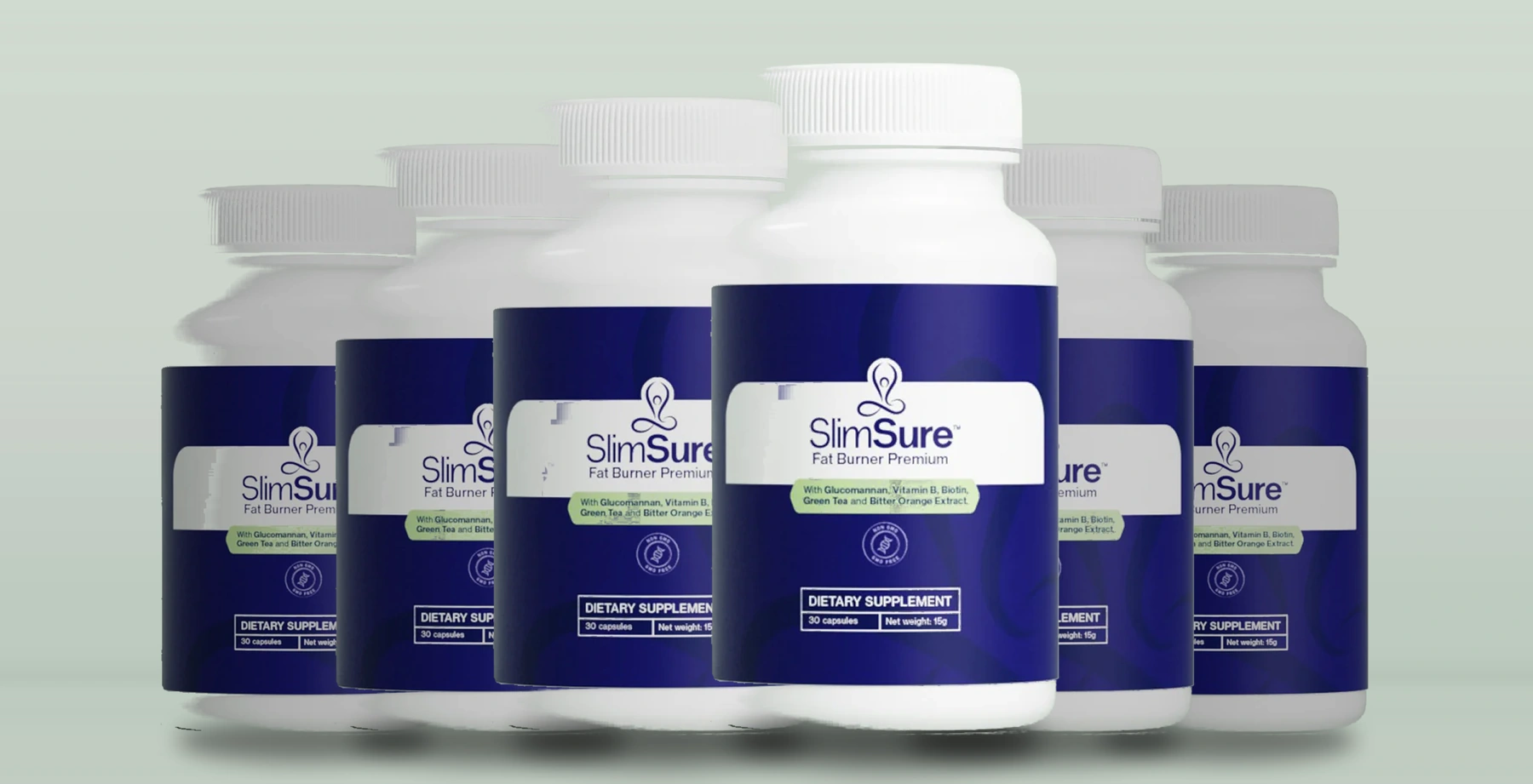
What causes bloating (and how it differs)
Bloating is mostly a digestive-tract phenomenon — gas and pressure in the gut — rather than fluid in the tissues. Common everyday triggers include:
- ✓ Eating too fast, which means swallowing air along with your food.
- ✓ Carbonated drinks, which add gas directly.
- ✓ Very large meals that stretch the stomach.
- ✓ Certain fermentable foods (beans, some vegetables, dairy or sweeteners) in sensitive people.
- ✓ Increasing fiber too quickly before your gut has adjusted.
A note on fiber: soluble fiber is fantastic for fullness and weight management, but ramping it up overnight can cause temporary gas. Increase it gradually and drink plenty of water and your gut will adapt. For more on using fiber well, see how to curb appetite for weight loss.
How to reduce water retention and bloating naturally
Most everyday puffiness responds within a few days to simple, sustainable changes.
Lower processed sodium and raise potassium
Cook more at home, watch labels on packaged foods, and eat potassium-rich produce — bananas, leafy greens, potatoes, beans and avocado — which helps balance sodium and support healthy fluid levels.
Drink enough water and move often
Stay consistently hydrated and break up long sitting with movement. A daily walk, calf raises at your desk, and elevating your legs in the evening all help fluid drain instead of pool.
Eat slowly, manage stress and sleep well
Slowing down at meals reduces swallowed air; managing stress and sleeping enough steady the hormones that govern fluid balance. These overlap neatly with the habits that support a healthy metabolism more broadly.
When to check with a professional
Everyday, diet-related water retention and bloating are common and usually harmless. But swelling that is sudden, severe, one-sided, painful, or paired with shortness of breath — or bloating that is persistent, worsening or unexplained — deserves prompt medical attention, as it can point to a condition that needs care. When in doubt, ask your doctor.
What the research says about water weight
The fastest scale movements are not fat, and the reason is glycogen. A study in the American Journal of Clinical Nutrition (1992) showed that each gram of stored carbohydrate is held with roughly three grams of water, so the first days of a low-carbohydrate diet drop several pounds of water and the first days back put it straight on again. That is the whole explanation for most “overnight” gains and losses.
Salt is more complicated than folklore suggests. A controlled study in American Journal of Physiology — Renal Physiology (2000) found that high sodium intake did not necessarily produce sustained body-fluid retention in healthy adults, because the kidneys adjust; what a salty meal reliably does is shift fluid briefly. Potassium is the other side of that balance, and a dose-response meta-analysis in the Journal of the American Heart Association (2020) documents its effect on blood pressure. Persistent bloating with a digestive pattern is a different question, closer to gut health and weight than to water weight.
Where a fiber-first supplement fits
No supplement is a “water pill,” and any product promising instant debloating overnight is overselling. What a fiber-first formula can do is support fullness and a steady routine. SlimSure combines a soluble-fiber base of glucomannan — always taken with a full glass of water — with botanicals such as green tea and bitter orange traditionally used for everyday metabolism, plus raspberry ketones, L-carnitine, a B-vitamin complex and biotin. Eight named actives, one daily capsule, used alongside good hydration and balanced meals. Browse more on the SlimSure blog or visit our homepage.
FAQ
What is the difference between water weight and fat?
Water weight is temporary fluid your body is holding, which can shift by several pounds within a day or two. Fat changes slowly over weeks. If your weight jumps up or down quickly, it is almost always water, not fat — which is why the scale can be misleading day to day.
What foods cause water retention and bloating?
High-sodium processed foods are the biggest driver of water retention, while a sudden jump in refined carbohydrates also makes the body store more water. Bloating is often linked to carbonated drinks, eating too fast and swallowing air, very large meals, and for some people certain fermentable fibers, dairy or artificial sweeteners.
How can I reduce water retention naturally?
Lower your sodium from processed foods, drink enough water, eat potassium-rich produce, move regularly, manage stress and prioritise sleep. Most everyday, diet-related water retention eases within a few days once these basics are in place.
When should I see a doctor about swelling?
Occasional puffiness after a salty meal or a long flight is normal. See a healthcare professional if swelling is sudden, severe, one-sided, painful, or accompanied by shortness of breath, or if it is persistent and unexplained, as these can signal a medical issue that needs attention.
The SlimSure Research Team is an independent group of writers and reviewers focused on everyday weight management, nutrition and dietary-supplement science. We translate peer-reviewed research and guidance from bodies such as the NIH and Harvard T.H. Chan School of Public Health into plain, practical advice. Our articles are informational only and are reviewed for accuracy before publishing; they are not a substitute for personalised medical care. |
References
- Kreitzman SN, Coxon AY, Szaz KF. Glycogen storage: illusions of easy weight loss, excessive weight regain, and distortions in estimates of body composition. American Journal of Clinical Nutrition, 1992. PMID: 1615908.
- Heer M, Baisch F, Kropp J, et al. High dietary sodium chloride consumption may not induce body fluid retention in humans. American Journal of Physiology — Renal Physiology, 2000. PMID: 10751219.
- Filippini T, Naska A, Kasdagli MI, et al. Potassium Intake and Blood Pressure: A Dose-Response Meta-Analysis of Randomized Controlled Trials. Journal of the American Heart Association, 2020. PMID: 32500831.
- National Institutes of Health, Office of Dietary Supplements — Potassium: Fact Sheet for Health Professionals.
- National Institute of Diabetes and Digestive and Kidney Diseases — Symptoms & Causes of Gas in the Digestive Tract.
- Harvard T.H. Chan School of Public Health, The Nutrition Source — Salt and Sodium.
† These statements have not been evaluated by the Food and Drug Administration. This product is not intended to diagnose, treat, cure or prevent any disease. This article is for general information only and is not medical advice; consult a qualified healthcare professional before making changes to your diet or supplement routine.