Does Gut Health Affect Weight Loss? The Microbiome-Weight Link Explained
| Short answer | Yes — your gut microbiome influences appetite, cravings, digestion and fat storage, so it is one meaningful piece of the weight puzzle. |
| How it works | Gut bacteria affect fullness hormones, how many calories you extract, and low-grade inflammation. |
| Best lever | Feed beneficial bacteria with a wide variety of fiber-rich plants and fermented foods. |
| What helps | Fiber diversity, fermented foods, hydration, sleep, less ultra-processed food. |
The honest answer: your gut is part of the picture
So does gut health affect weight loss? The evidence increasingly says yes — not as a magic switch, but as a genuine, underappreciated factor. Inside your digestive tract live trillions of microorganisms, collectively called the gut microbiome. These bacteria help digest food, produce vitamins, train your immune system, and — crucially for weight — influence your appetite, your cravings and how your body handles the energy you eat. When that community is diverse and well fed, it tends to work in your favour. When it is out of balance, weight management can feel harder.
It is important to keep this in proportion. Gut health does not override the basics of eating, sleep, stress and movement, and no gut “reset” melts fat on its own. But because so many of the habits that support a healthy gut are the same ones that support appetite and steady weight, working on your gut is rarely wasted effort. Understanding the link helps you see why a fiber-forward, whole-food approach pays off on more than one front.
How your gut microbiome influences weight
1. It helps set your appetite and cravings
When beneficial bacteria ferment fiber, they produce short-chain fatty acids that can influence the hormones controlling fullness and hunger. Some research also suggests that certain microbes may nudge cravings toward the foods that feed them — which is why a diet heavy in sugar and refined carbs can reinforce a taste for more of the same. Shifting the balance toward fiber-loving bacteria may, over time, make it easier to feel satisfied. This connects directly to our guide on how to curb appetite for weight loss.
2. It affects how many calories you extract
Different microbial communities extract energy from food with different efficiency. Studies comparing gut bacteria in leaner and heavier individuals have found consistent differences in diversity and composition. A more diverse microbiome is generally associated with easier weight management, though the relationship runs in both directions — diet shapes the microbiome, and the microbiome shapes how diet affects you.

3. It influences inflammation
An imbalanced gut lining can allow more inflammatory compounds into circulation, contributing to the kind of low-grade, chronic inflammation that is linked with insulin resistance and stubborn weight. Feeding beneficial bacteria and eating fewer ultra-processed foods supports the gut barrier and helps keep this inflammation in check.
4. It shapes digestion, bloating and comfort
A well-balanced gut generally means smoother digestion and less gas and bloating, while an imbalanced one can leave you feeling puffy and heavy even when your body fat has not changed. If the scale and your waistband seem to swing day to day, digestion is often part of the story — something we cover in what causes water retention and bloating.
A fiber-first routine your gut will like
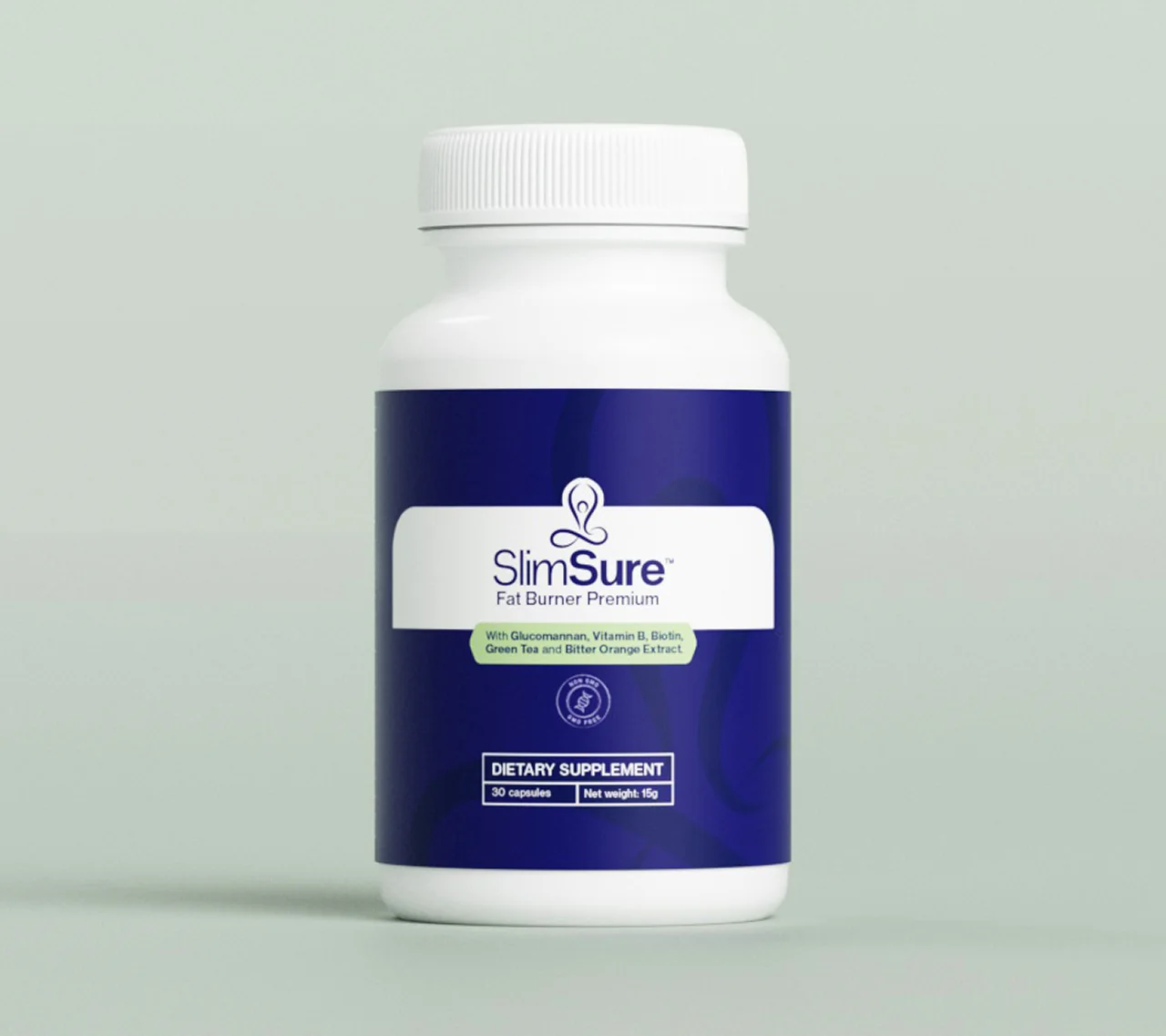
SlimSure is built on glucomannan, a soluble fiber that supports fullness and gives beneficial gut bacteria something to ferment — alongside seven more named actives for everyday appetite and metabolism support. One simple daily capsule, backed by a 60-day money-back guarantee.
See SlimSure Packages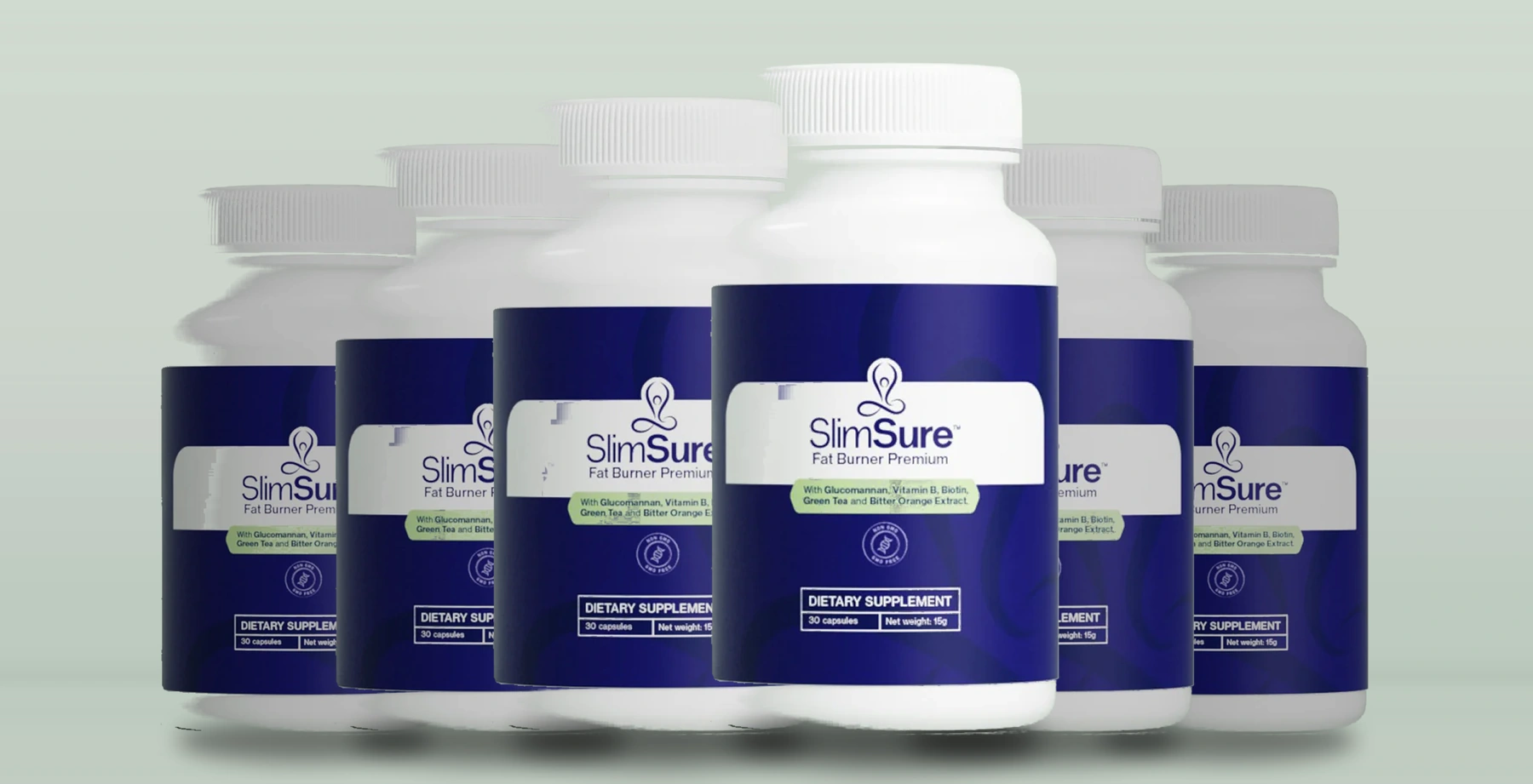
How to build a gut that supports weight management
The good news is that the microbiome is remarkably responsive. What you eat this week starts changing it within days, and steady habits build lasting diversity. Here are the everyday moves that matter most.
Eat a wide variety of plants
Diversity of plants drives diversity of bacteria. Rather than eating the same three vegetables on repeat, aim for a wide range across the week — different vegetables, fruit, beans, lentils, whole grains, nuts and seeds. A common target is thirty different plant foods a week, which sounds like a lot until you count herbs, spices, seeds and each type of bean separately.
Feed the bacteria with fiber
Fiber is the fuel your beneficial microbes need. Soluble fibers — found in oats, beans, apples, and in the glucomannan used in a fiber-first supplement — are especially good food for them, and they slow your own digestion to support fullness at the same time. Increase fiber gradually and drink plenty of water so your gut adjusts comfortably.
Add fermented foods
Yoghurt, kefir, sauerkraut, kimchi, miso and other fermented foods deliver live cultures that can add to your gut’s diversity. A small daily serving is an easy, traditional way to support the community you are trying to build.
Cut back on ultra-processed food
Diets high in refined sugar, refined grains and heavily processed products tend to feed a narrower, less helpful set of bacteria and can promote inflammation. You do not have to be perfect — simply crowding your plate with more whole foods naturally leaves less room for the ultra-processed ones.
Do not forget sleep, stress and movement
The gut-brain connection runs both ways, so poor sleep and chronic stress can disturb the microbiome, while regular movement supports its diversity. If you are working on your gut, protecting your sleep and managing stress make the food changes work better — see does stress cause weight gain for how these fit together.
- ✓ Aim for a wide variety of plants each week.
- ✓ Increase fiber gradually and drink plenty of water.
- ✓ Add a small daily serving of fermented food.
- ✓ Crowd out ultra-processed foods with whole ones.
- ✓ Protect sleep and manage stress to support the gut-brain link.
What the research says about the gut and body weight
The idea that gut bacteria matter for weight began with a landmark paper in Nature (2006), which reported that the microbiome of obese mice and people had a greater capacity to harvest energy from food, and that the trait transferred with the bacteria. It is a real finding, and it is regularly overstated: the difference in calories extracted is small next to the difference made by what you eat.
A clinical review in the BMJ (2018) sets out the honest position — diet shapes the microbiome quickly and powerfully, the microbiome influences appetite signalling and inflammation, and no single “good bacteria” supplement has been shown to cause weight loss. The largest citizen-science dataset, published in mSystems (2018), found that the strongest predictor of a diverse microbiome was simply the number of different plants eaten each week, which is the same practical advice behind our guide to the best high-fiber foods for weight loss.
Where a fiber-first supplement fits
No supplement replaces a varied, plant-rich diet, and gut health is built primarily at the table. What a fiber-first formula can do is add a reliable daily dose of soluble fiber that supports fullness and gives beneficial bacteria something to work with. SlimSure combines a glucomannan fiber base with botanicals such as green tea and bitter orange extract that are traditionally used for everyday metabolism, plus raspberry ketones, L-carnitine, a vitamin B complex and biotin — eight named actives in one once-daily capsule.
Alongside diverse plants, fermented foods, good sleep and regular movement, it is one more small habit working quietly in your favour. Explore more practical guides on the SlimSure blog or start at our homepage.
FAQ
Does gut health really affect weight loss?
Research increasingly links the balance of bacteria in your gut with appetite, cravings, how efficiently you extract calories from food, and low-grade inflammation. A more diverse, fiber-fed microbiome is associated with easier weight management, while an imbalanced one may make it harder. Gut health is one contributing factor among diet, sleep, stress and activity rather than a standalone cause.
What foods improve gut health for weight management?
Fiber-rich plants feed beneficial bacteria: vegetables, fruit, beans, lentils, whole grains, nuts and seeds. Fermented foods such as yoghurt, kefir, sauerkraut, kimchi and miso add live cultures. Variety matters most — aiming for a wide range of plants each week supports a more diverse microbiome.
Can poor gut health cause bloating and weight-related symptoms?
An imbalanced gut can contribute to gas, bloating and irregular digestion, which can make you feel heavier and more uncomfortable even without a change in body fat. Feeding beneficial bacteria with fiber, staying hydrated and eating slowly often ease these symptoms over time.
Do prebiotics and fiber help the gut and appetite?
Prebiotic fibers are the food your beneficial gut bacteria ferment, producing short-chain fatty acids that support gut lining health and can influence fullness signals. Soluble fiber also slows digestion and promotes satiety directly, which is why a fiber-first approach supports both gut health and appetite.
How long does it take to improve gut health?
The microbiome can begin shifting within days of a consistent change in diet, but building lasting diversity takes weeks of steady, varied, fiber-rich eating. Sleep, stress management and regular movement all support the process, so a whole-lifestyle approach works best.
The SlimSure Research Team is an independent group of writers and reviewers focused on everyday weight management, nutrition and dietary-supplement science. We translate peer-reviewed research and guidance from bodies such as the NIH and the Harvard T.H. Chan School of Public Health into plain, practical advice. Our articles are informational only and are reviewed for accuracy before publishing; they are not a substitute for personalised medical care. |
References
- Turnbaugh PJ, Ley RE, Mahowald MA, et al. An obesity-associated gut microbiome with increased capacity for energy harvest. Nature, 2006. PMID: 17183312.
- Valdes AM, Walter J, Segal E, et al. Role of the gut microbiota in nutrition and health. BMJ, 2018. PMID: 29899036.
- McDonald D, Hyde E, Debelius JW, et al. American Gut: an Open Platform for Citizen Science Microbiome Research. mSystems, 2018. PMID: 29795809.
- Harvard T.H. Chan School of Public Health — The Nutrition Source: The Microbiome.
- National Institutes of Health, Office of Dietary Supplements — Dietary Supplements for Weight Loss: Fact Sheet for Consumers.
† These statements have not been evaluated by the Food and Drug Administration. This product is not intended to diagnose, treat, cure or prevent any disease. This article is for general information only and is not medical advice; consult a qualified healthcare professional before making changes to your diet or supplement routine.