Best High-Fiber Foods for Weight Loss: Top Picks and How to Eat More
| Why fiber | The best high-fiber foods for weight loss keep you full on fewer calories and steady your blood sugar. |
| Top picks | Beans and lentils, chia and flax, berries, avocado, oats, broccoli and whole grains. |
| Daily target | About 25g for women and 38g for men — most people fall short. |
| How to start | Add fiber gradually, drink plenty of water, and include soluble fiber at each meal. |
Why fiber is a weight-management superpower
If you want one dietary change that quietly does a lot of work, eating more of the best high-fiber foods for weight loss is hard to beat. Fiber is the part of plant foods your body cannot fully digest, and that is exactly what makes it useful. It adds bulk and volume to meals, slows digestion, and helps you feel full on fewer calories — without any of the deprivation that makes diets fail. Most people eat only about half the fiber they should, which means there is real room to gain here.
There are two main types, and both earn their place. Soluble fiber dissolves in water to form a gel that slows how quickly your stomach empties, steadies blood sugar and supports fullness — this is the type that most directly helps with appetite. Insoluble fiber adds bulk and keeps digestion regular. Whole foods usually contain a mix of both, so a varied, plant-rich plate naturally covers your bases. For the mechanics of how this curbs hunger, see our fiber-first guide on how to curb appetite for weight loss.
The best high-fiber foods for weight loss
Beans, lentils and other legumes
Legumes are among the most fiber-dense foods you can eat, packing both soluble and insoluble fiber plus plant protein — a combination that makes them exceptionally filling. A single cup of cooked lentils or black beans delivers a large share of your daily fiber target. Add them to soups, salads, chilli and grain bowls to stretch meals further while keeping calories moderate.
Chia and flax seeds
These tiny seeds are fiber powerhouses. Chia seeds absorb many times their weight in liquid, forming a gel that supports fullness — stir a spoonful into yoghurt or overnight oats. Ground flax adds soluble fiber and a nutty flavour to smoothies, cereal and baking. Both are easy, low-effort ways to raise your daily fiber.
Oats and whole grains
Oats are rich in beta-glucan, a soluble fiber studied for its effects on fullness and steady blood sugar — which is why a bowl of oatmeal keeps you going all morning. Other whole grains such as barley, quinoa, brown rice and whole-wheat products keep the fibrous bran and germ that refined grains strip away. Swapping refined for whole grains is one of the simplest fiber upgrades there is.
Berries and higher-fiber fruit
Raspberries, blackberries and strawberries offer a lot of fiber for relatively few calories and a low sugar load, making them a smart sweet option. Pears, apples (with the skin) and avocado are also excellent — avocado in particular pairs fiber with healthy fat for lasting satisfaction.
Fiber-rich vegetables
Broccoli, Brussels sprouts, artichokes, carrots and leafy greens bring fiber, volume, vitamins and very few calories. Building meals around a generous serving of vegetables is a reliable way to feel full while keeping the overall calorie total in check — the volume does a lot of the work for you.
Nuts and seeds
Almonds, pistachios, sunflower seeds and pumpkin seeds combine fiber with protein and healthy fat. Because they are calorie-dense, keep portions to a small handful — but as a satisfying, crunchy addition to meals and snacks, they help hold hunger at bay between meals.
A daily dose of soluble fiber, simplified
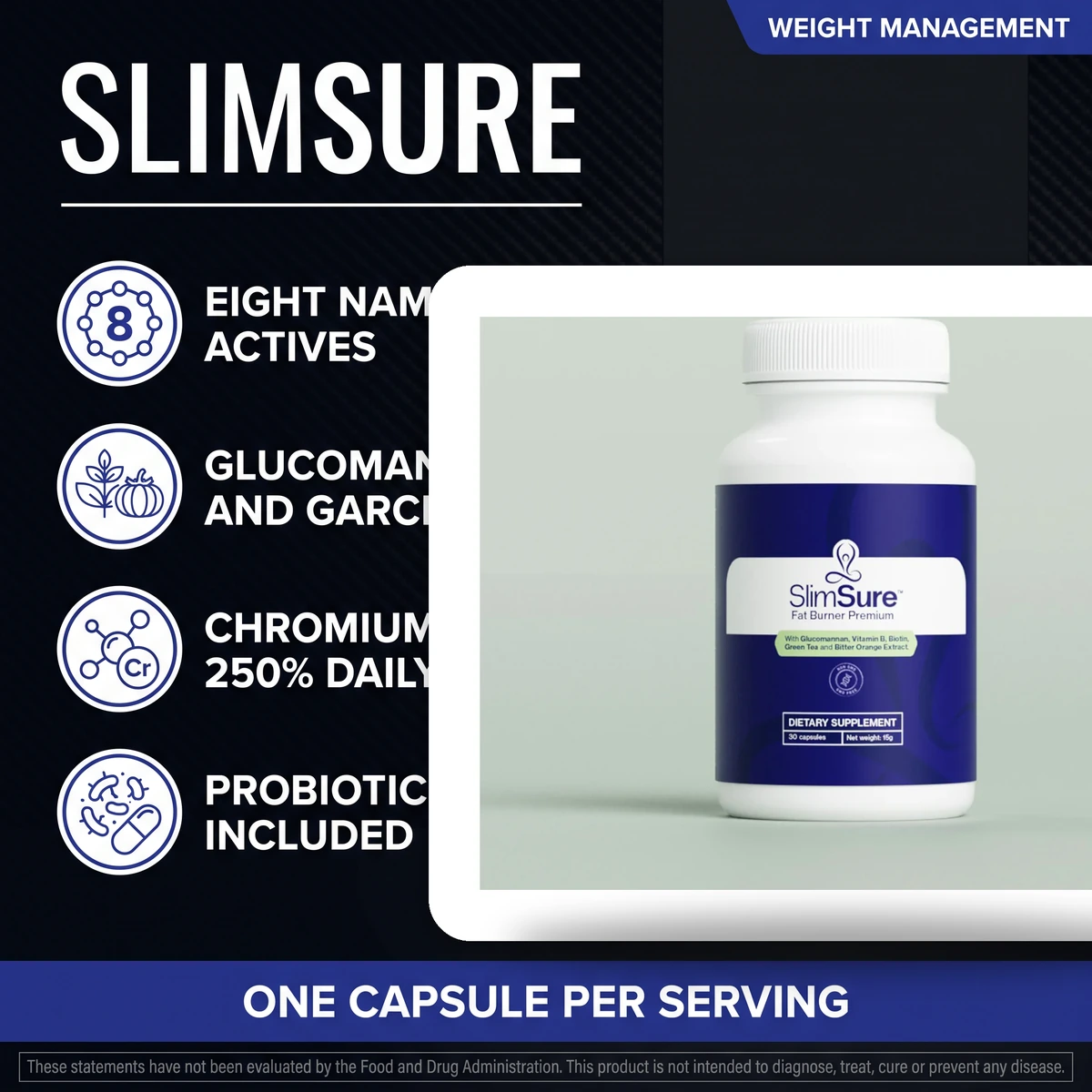
SlimSure is built on glucomannan, a highly viscous soluble fiber that supports fullness — alongside seven more named actives for everyday appetite and metabolism support. A simple way to top up fiber on busy days, backed by a 60-day money-back guarantee.
See SlimSure Packages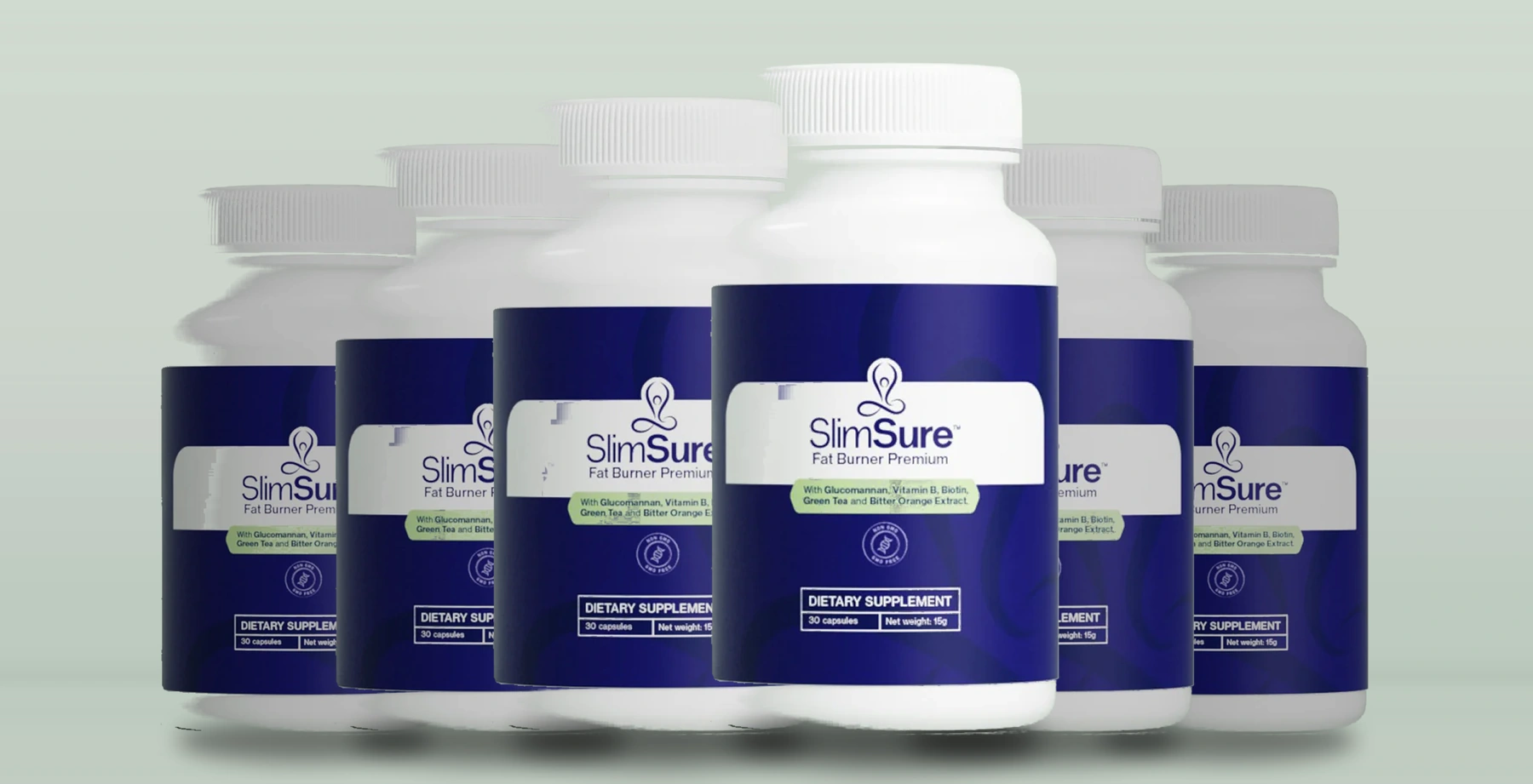
How much fiber do you need — and how to eat more
General guidance suggests about 25 grams of fiber a day for women and 38 grams for men. Most people eat closer to 15 grams, so the goal for many is simply to close that gap. The trick is to build up gradually and drink plenty of water, so your digestive system adjusts comfortably instead of protesting with gas or bloating.
Start at breakfast
Breakfast is an easy place to load up on fiber — oats topped with berries and chia, or whole-grain toast with avocado. Pairing that fiber with protein makes the first meal especially filling; our guide to a high-protein breakfast for weight loss shows how to combine the two.
Make simple swaps
Choose whole-grain bread, pasta and rice over refined versions; leave the skins on fruit and vegetables; and add a handful of beans or lentils to soups, salads and sauces. These small changes add up to several extra grams of fiber a day without any extra effort.
Front-load fiber and water at meals
Starting a meal with a fiber-rich salad or vegetable soup, and drinking water before you eat, primes fullness so you naturally eat a little less of what follows. Hydration and fiber work as a team — the fiber needs water to form its gel — which is one reason our article on whether drinking water helps you lose weight pairs so well with this one.
- ✓ Add beans or lentils to one meal a day.
- ✓ Stir chia or ground flax into breakfast.
- ✓ Swap refined grains for whole grains.
- ✓ Fill half your plate with fiber-rich vegetables.
- ✓ Increase fiber slowly and drink more water.
What the research says about fiber and weight
Fiber earns its reputation in trial data rather than in marketing copy, and the effect is real but moderate. A review of the human evidence in Nutrition Reviews (2001) concluded that higher fiber intakes are consistently associated with lower body weight and lower energy intake, largely because fiber slows eating and stretches out fullness. A later review in Nutrition (2005) reached the same verdict and put the practical target at roughly an extra 14 grams a day for a measurable difference in intake.
The mechanism is clearest for soluble fiber. Work reviewed in Nutrition Reviews (2016) found that the beta-glucan in oats slows gastric emptying and raises reported satiety, which is exactly why a bowl of oats outlasts a slice of toast. Fiber also feeds the bacteria in your colon, the link explored in our guide to gut health and weight loss, and dense sources such as beans and oats are the same foods that steady the appetite discussed in why you feel hungry all the time. The Dietary Supplements for Weight Loss: Fact Sheet for Consumers makes the wider point plainly: a fiber supplement is not a replacement for fiber-rich food.
Where a fiber-first supplement fits
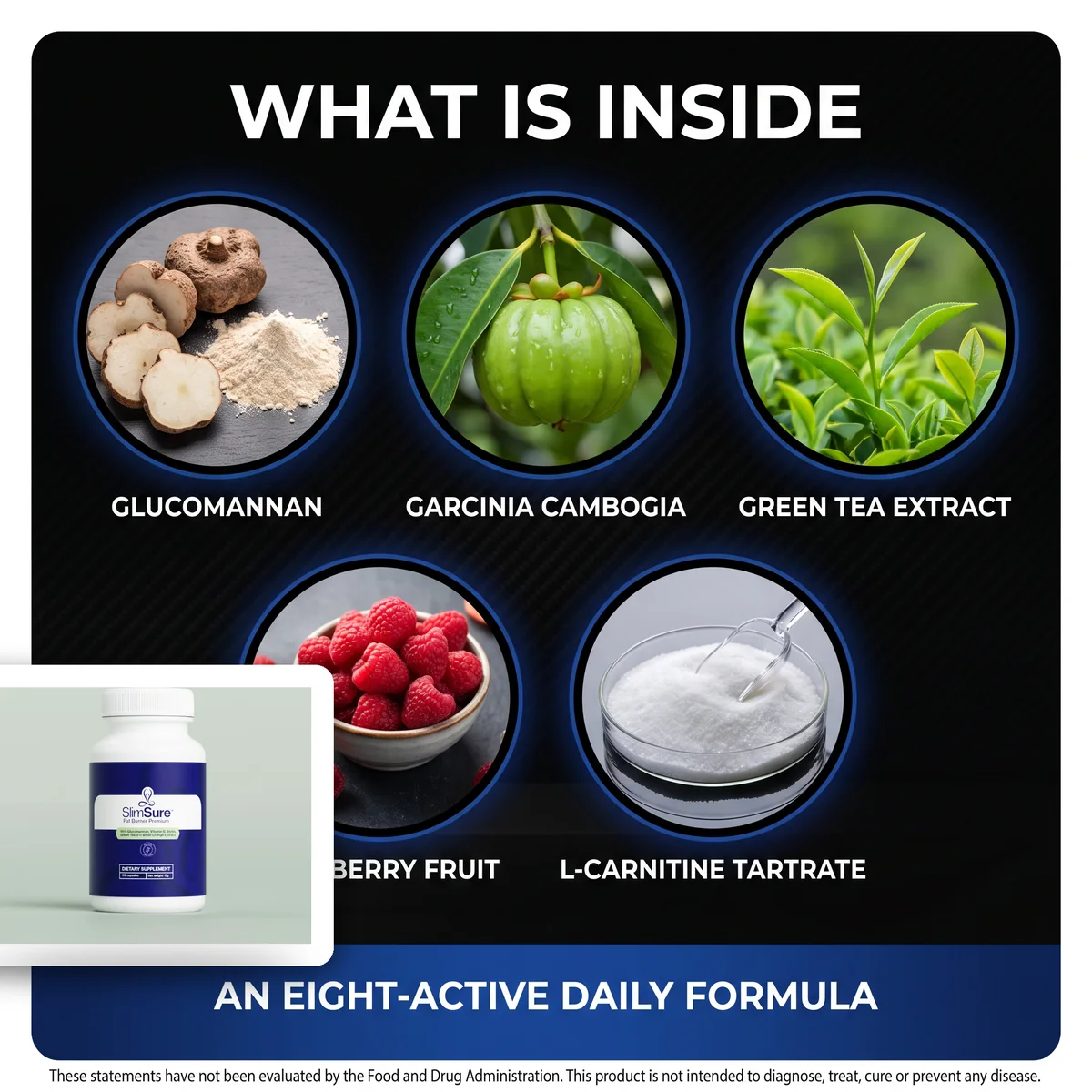
Whole foods should always be your main source of fiber — they bring vitamins, minerals and plant compounds a capsule cannot. But on busy days, or when your diet is running low on fiber, a soluble-fiber supplement can help top up the fullness support you would otherwise miss. SlimSure combines a glucomannan fiber base with botanicals such as green tea and bitter orange extract that are traditionally used for everyday metabolism, plus raspberry ketones, L-carnitine, a vitamin B complex and biotin — eight named actives in one once-daily capsule taken with water.
Alongside a plate built around beans, oats, berries and vegetables, it is one more small habit working quietly in your favour. Read more practical guides on the SlimSure blog or start at our homepage.
FAQ
Why is fiber good for weight loss?
Fiber adds bulk and slows digestion, which helps you feel full on fewer calories. Soluble fiber in particular forms a gel that steadies blood sugar and blunts the crash-and-crave cycle. Because most fiber-rich foods are also nutrient-dense and low in calories for their volume, they make it easier to eat well without feeling deprived.
How much fiber should I eat per day for weight loss?
General guidance suggests around 25 grams a day for women and 38 grams a day for men, though many people eat far less. Increase gradually over a week or two and drink plenty of water so your digestion adjusts comfortably rather than causing gas or bloating.
What are the highest-fiber foods?
Beans and lentils, chia and flax seeds, berries, avocado, oats, whole grains, and vegetables such as broccoli, artichoke and Brussels sprouts are among the richest sources. Variety matters, so aim to include several different fiber-rich foods across the day.
What is the difference between soluble and insoluble fiber?
Soluble fiber dissolves in water to form a gel that slows digestion, supports fullness and steadies blood sugar; it is found in oats, beans, apples and glucomannan. Insoluble fiber adds bulk and supports regularity; it is found in whole grains, vegetables and the skins of fruit. Both are valuable, so eating a range of foods covers both.
Can a fiber supplement help with weight management?
A soluble-fiber supplement such as glucomannan can add fullness support to a diet that is otherwise low in fiber, taken with water before a meal. It works best alongside fiber-rich whole foods rather than as a replacement for them, as part of a balanced routine.
The SlimSure Research Team is an independent group of writers and reviewers focused on everyday weight management, nutrition and dietary-supplement science. We translate peer-reviewed research and guidance from bodies such as the NIH and the Harvard T.H. Chan School of Public Health into plain, practical advice. Our articles are informational only and are reviewed for accuracy before publishing; they are not a substitute for personalised medical care. |
References
- Howarth NC, Saltzman E, Roberts SB. Dietary fiber and weight regulation. Nutrition Reviews, 2001. PMID: 11396693.
- Slavin JL. Dietary fiber and body weight. Nutrition, 2005. PMID: 15797686.
- Rebello CJ, O’Neil CE, Greenway FL. Dietary fiber and satiety: the effects of oats on satiety. Nutrition Reviews, 2016. PMID: 26724486.
- U.S. Department of Agriculture & U.S. Department of Health and Human Services — Dietary Guidelines for Americans, 2020–2025.
- Harvard T.H. Chan School of Public Health — The Nutrition Source: Fiber.
- National Institutes of Health, Office of Dietary Supplements — Dietary Supplements for Weight Loss: Fact Sheet for Consumers.
† These statements have not been evaluated by the Food and Drug Administration. This product is not intended to diagnose, treat, cure or prevent any disease. This article is for general information only and is not medical advice; consult a qualified healthcare professional before making changes to your diet or supplement routine.