Does Drinking Water Help You Lose Weight? Hydration and Appetite
| The answer | Drinking water helps you lose weight indirectly — it does not burn fat by itself. |
| How it helps | Curbs appetite before meals, replaces liquid calories, and prevents thirst masquerading as hunger. |
| How much | Roughly two litres a day for many adults; aim for pale-yellow urine and little thirst. |
| Best habit | A glass before each meal, and swapping sugary drinks for water. |
The honest answer
Water is the diet advice that never goes out of style, which naturally makes people sceptical. So let us be straight from the start: does drinking water help you lose weight? Yes — but not because water contains some fat-melting magic. Water helps because of what it does around the edges of your eating: it fills you up before meals, it replaces calorie-loaded drinks, it stops you confusing thirst for hunger, and it keeps the body running efficiently while you do the harder work of eating well and moving more. It is a supporting actor, and a genuinely useful one, not the star of the show.
That framing matters, because the mistake people make is treating water as a shortcut and then feeling let down when the pounds do not fall off. Used properly, hydration is one of the simplest, cheapest and most reliable habits in weight management. Here is exactly how it earns its place.
How drinking water supports weight loss
1. It curbs appetite before meals
Drinking a glass or two of water 20 to 30 minutes before a meal adds volume to the stomach, which supports fullness and can naturally trim how much you eat. Studies in adults have found that pre-meal water can lead to modestly lower calorie intake and better weight-loss results over time. It is not dramatic, but repeated across three meals a day it quietly adds up. For more on the wider appetite picture, see our guide on how to curb appetite for weight loss.
2. It replaces liquid calories
This is where water does its heaviest lifting. Sodas, sweetened coffees, fruit juices and energy drinks can carry a startling number of calories with almost no effect on fullness — your body barely registers liquid sugar the way it registers food. Swapping even one or two of these a day for water removes those calories without you feeling any more hungry. Many people who make no other change lose weight simply by cutting liquid sugar.
3. It stops thirst pretending to be hunger
The brain is surprisingly bad at telling mild thirst from mild hunger, so a low-level need for water is often answered with a snack. Reaching for a glass of water first, and waiting a few minutes, resolves a good number of those false alarms. This is one of the most practical everyday uses of hydration — it takes the pressure off willpower.
4. It gives a small metabolic nudge
Drinking water produces a modest, short-lived rise in energy expenditure, partly because the body uses a little energy warming cold water to body temperature. The effect is real but small — on its own it will not move the scale — so treat it as a minor bonus rather than a strategy. If you are curious about what genuinely influences metabolic rate, our article on the signs of a slow metabolism puts it in context.
5. It keeps energy and workouts on track
Even mild dehydration can leave you tired, foggy and less inclined to move. Staying hydrated supports the daily activity and exercise that do the real work of weight management. When you feel flat, water is often a better first move than another coffee or snack.
Pair hydration with fiber-first support
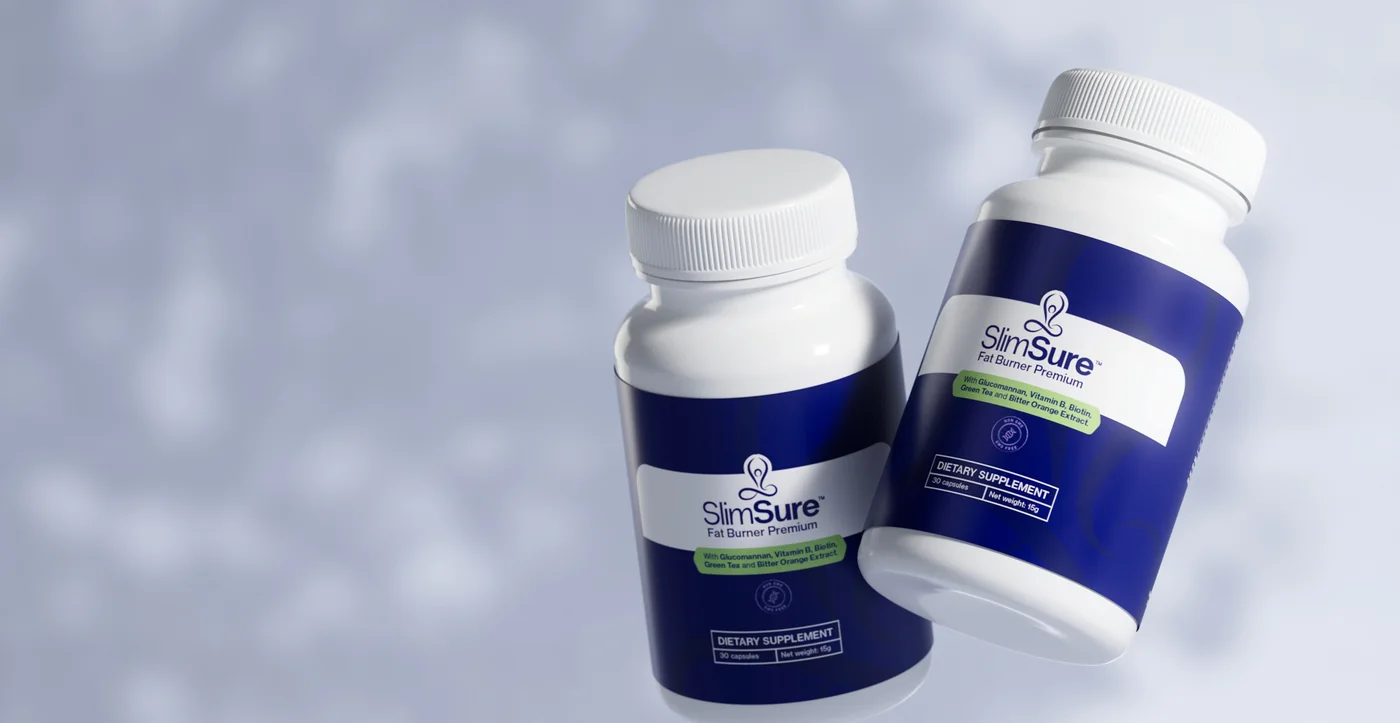
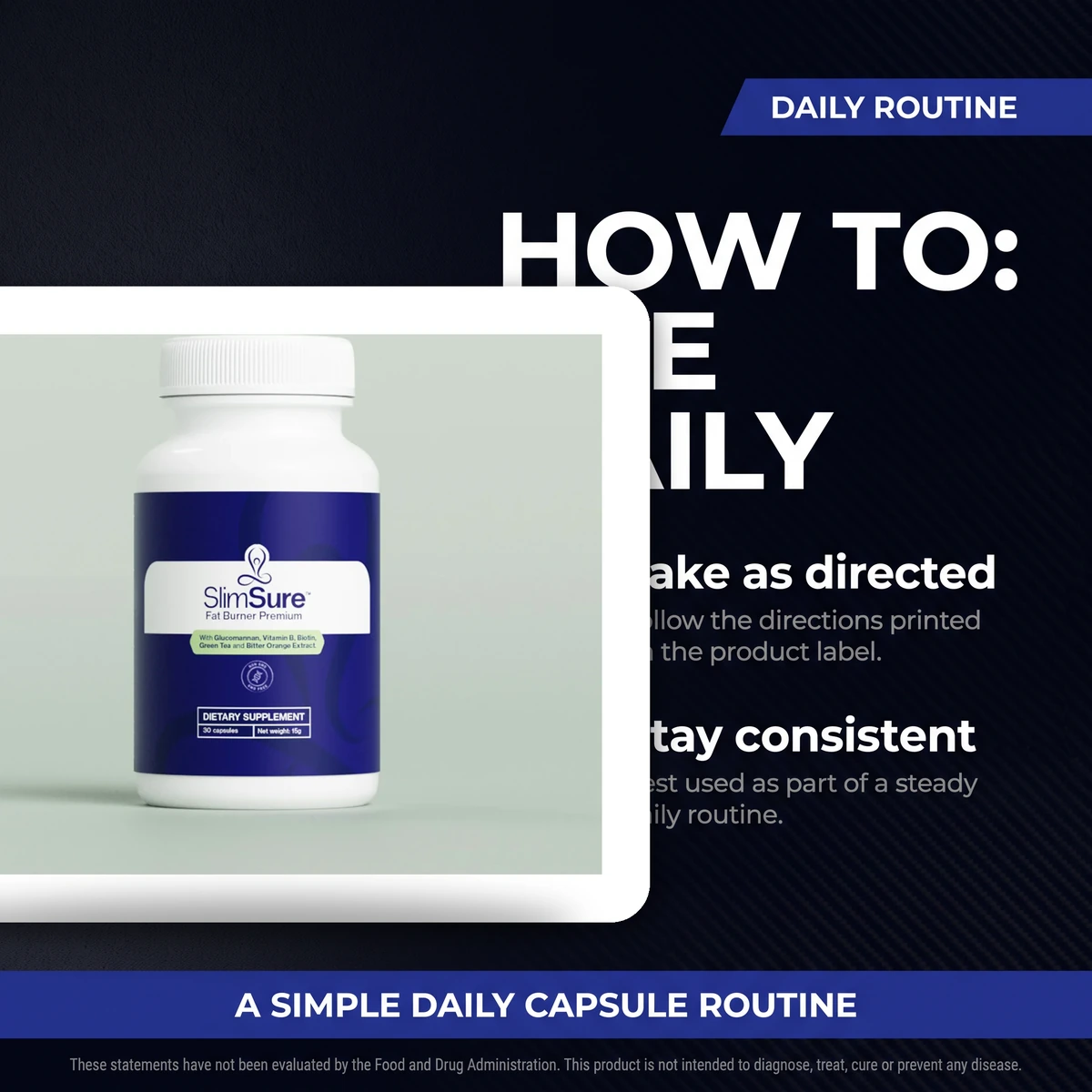
SlimSure combines glucomannan fiber with seven more named actives in one simple daily capsule — taken with a full glass of water, it is an easy way to support fullness and everyday metabolism as part of your routine. Backed by a 60-day money-back guarantee.
See SlimSure Packages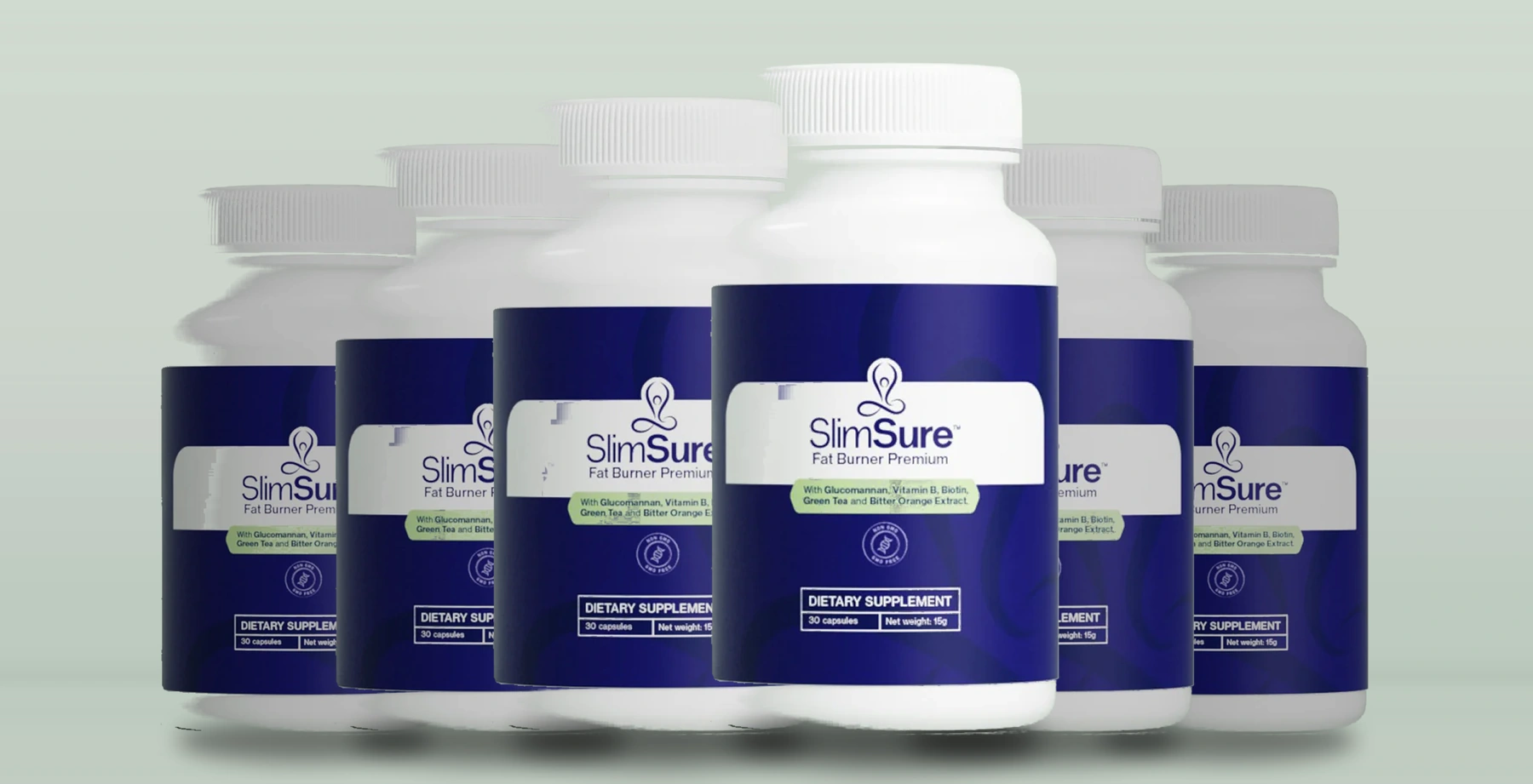
How much water should you actually drink?
The famous eight-glasses-a-day rule is a reasonable starting point — roughly two litres — but it was never a strict law. Your real needs depend on your body size, how active you are, the climate you live in, and how much water you already get from food. Fruits, vegetables, soups and even coffee and tea all contribute to your daily fluid.
Rather than counting cups, use your body as the gauge. Pale-yellow urine and rarely feeling thirsty are good signs you are well hydrated. Dark urine, headaches, fatigue and dry mouth suggest you need more. On hot days or after exercise, increase your intake to match what you have lost. There is no prize for overdoing it, either — drinking far beyond thirst offers no extra benefit and, in rare extreme cases, can be harmful.
A note on water weight versus fat
One confusing thing about hydration is that drinking more water can actually help you hold less water. When you are chronically under-hydrated or eating a lot of salt, the body clings to fluid, which shows up as puffiness and a higher number on the scale. Staying consistently hydrated, alongside balanced sodium, helps the body release that retained fluid. If day-to-day scale swings and puffiness frustrate you, our guide to what causes water retention and bloating explains why the scale is not always telling you about fat.
Simple habits to make water work for you
- ✓ Drink a glass of water before each meal.
- ✓ Swap at least one sugary drink a day for water.
- ✓ Keep a bottle visible on your desk — out of sight is out of mind.
- ✓ Start the morning with a glass before coffee.
- ✓ When a snack craving hits, drink water first and wait ten minutes.
- ✓ Flavour it naturally with lemon, cucumber or mint if plain water bores you.
What the research says about water and weight loss
One randomised trial is the reason this question keeps coming back. Published in Obesity (2010), it gave middle-aged and older adults 500 ml of water before each meal on a reduced-calorie diet and recorded significantly greater weight loss over twelve weeks than the same diet without the water. That is a modest, well-defined effect from a pre-meal habit, not a fat-burning mechanism.
The metabolic claim is weaker than the internet suggests. A study in the Journal of Clinical Endocrinology & Metabolism (2003) reported a measurable rise in energy expenditure after drinking 500 ml of water, but a later paper in the same journal, Brown and colleagues (2006), reconsidered the finding and attributed most of the response to water temperature and osmolality rather than to water itself. Finally, the folk belief that thirst masquerades as hunger has been tested directly: research in the Journal of the American Dietetic Association (2009) found the two signals are only loosely coupled, so drinking water is a good idea for other reasons and a poor substitute for a meal.
Where a fiber-first supplement fits
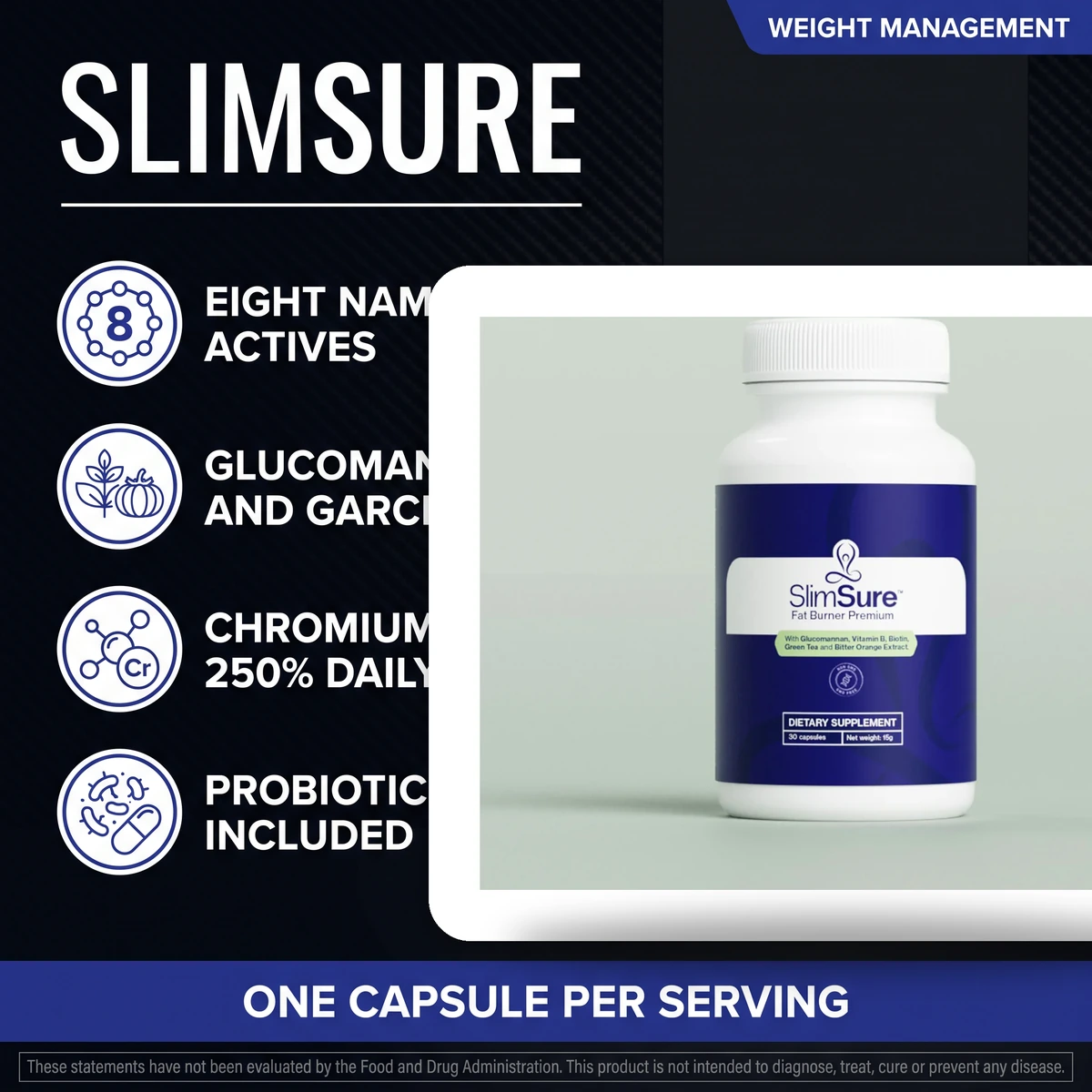
Hydration and fiber are natural partners. Soluble fiber such as glucomannan works precisely because it absorbs water and expands gently in the stomach to support fullness — which is exactly why it should always be taken with a full glass of water. SlimSure is built around this idea: a glucomannan fiber base plus botanicals such as green tea and bitter orange extract traditionally used to support everyday metabolism, together with raspberry ketones, L-carnitine, a vitamin B complex and biotin — eight named actives in a single once-daily capsule.
Drinking enough water, eating balanced meals and moving daily are the foundation; a fiber-first capsule taken with water is one more small lever that supports the whole routine. For more practical reads, browse the SlimSure blog or start on our homepage.
FAQ
Does drinking water actually help you lose weight?
Water does not burn fat on its own, but it supports weight loss in several practical ways. Drinking water before meals can reduce how much you eat, replacing sugary drinks cuts liquid calories significantly, and staying hydrated helps you tell true hunger from thirst. It is a genuinely helpful habit, though it works alongside diet and activity rather than instead of them.
How much water should I drink to lose weight?
A common general target is around eight cups, or roughly two litres, a day, but real needs vary with body size, activity, climate and diet. A simple guide is to drink enough that your urine is pale yellow and you rarely feel thirsty. Having a glass before each meal is an easy way to build the habit without counting.
Does drinking cold water burn more calories?
Your body does use a small amount of energy warming cold water to body temperature, and drinking water can produce a modest, short-lived rise in metabolism. The effect is real but small, so cold water is a minor bonus rather than a weight-loss strategy on its own.
Can drinking water reduce cravings and appetite?
Often, yes. Thirst is easily mistaken for hunger, so a glass of water can settle a craving that was really mild dehydration. Water also adds volume in the stomach, which supports fullness, especially when you drink it before or with a meal that contains protein and fiber.
Does water help alongside a fiber supplement?
Yes, and it is important. Soluble fiber such as glucomannan works by absorbing water and expanding gently in the stomach, so it needs to be taken with a full glass of water to work as intended and to be comfortable. SlimSure is a fiber-first formula, so staying well hydrated helps it support fullness as designed.
The SlimSure Research Team is an independent group of writers and reviewers focused on everyday weight management, nutrition and dietary-supplement science. We translate peer-reviewed research and guidance from bodies such as the NIH, the CDC and Harvard T.H. Chan School of Public Health into plain, practical advice. Our articles are informational only and are reviewed for accuracy before publishing; they are not a substitute for personalised medical care. |
References
- Dennis EA, Dengo AL, Comber DL, et al. Water consumption increases weight loss during a hypocaloric diet intervention in middle-aged and older adults. Obesity (Silver Spring), 2010. PMID: 19661958.
- Boschmann M, Steiniger J, Hille U, et al. Water-induced thermogenesis. Journal of Clinical Endocrinology & Metabolism, 2003. PMID: 14671205.
- Brown CM, Dulloo AG, Montani JP. Water-induced thermogenesis reconsidered: the effects of osmolality and water temperature on energy expenditure after drinking. Journal of Clinical Endocrinology & Metabolism, 2006. PMID: 16822824.
- McKiernan F, Hollis JH, McCabe GP, et al. Thirst-drinking, hunger-eating; tight coupling? Journal of the American Dietetic Association, 2009. PMID: 19248867.
- Harvard T.H. Chan School of Public Health, The Nutrition Source — Water.
- National Institutes of Health, Office of Dietary Supplements — Dietary Supplements for Weight Loss: Fact Sheet for Consumers.
† These statements have not been evaluated by the Food and Drug Administration. This product is not intended to diagnose, treat, cure or prevent any disease. This article is for general information only and is not medical advice; consult a qualified healthcare professional before making changes to your diet or supplement routine.