High-Protein Breakfast for Weight Loss: Best Foods and Simple Ideas
| Why it works | A high-protein breakfast is the most filling way to start the day and curbs later cravings. |
| How much | Aim for roughly 25–35g of protein at breakfast. |
| Best foods | Eggs, Greek yogurt, cottage cheese, tofu, protein oats, smoked salmon — plus fiber. |
| The pairing | Protein plus fiber gives the steadiest appetite control all morning. |
Why breakfast protein sets up the whole day
Most breakfasts are a trap for anyone managing their weight: toast, cereal, pastries, sweetened coffee — a wave of refined carbohydrate that spikes blood sugar, dips an hour later, and leaves you hunting for a snack by mid-morning. A high-protein breakfast for weight loss flips that pattern. Protein is the most satiating nutrient we eat, and starting the day with a solid dose of it steadies appetite for hours, so the whole day of eating becomes easier to manage. Get breakfast right and cravings, snacking and portion creep all tend to shrink on their own.
There is good reasoning behind this. Protein slows the release of hunger signals, blunts the blood-sugar roller-coaster that drives cravings, and even nudges the fullness hormones in a helpful direction. It also protects the muscle you want to keep while losing fat — and muscle is what keeps your metabolism ticking over. If you have ever read about the signs of a slow metabolism, protecting muscle with adequate protein is one of the most practical ways to support metabolic rate as you age.
How much protein should breakfast have?
A practical target for many adults is 25 to 35 grams of protein at breakfast. That is enough to trigger meaningful fullness and to contribute to your daily total, which for people who are active or losing weight often lands somewhere around 1.2 to 2.0 grams per kilogram of body weight per day. The exact number depends on your size, activity and goals, but the principle is simple: most people eat far too little protein in the morning and load it all onto their evening meal. Spreading it more evenly across the day works better for both appetite and muscle.
To put 25 to 35 grams in real terms: three eggs give roughly 18 grams, so adding a pot of Greek yogurt or some cottage cheese gets you there. A large bowl of Greek yogurt with seeds and berries can hit the target on its own. Two eggs with a slice of smoked salmon does it comfortably. It is more achievable than it sounds once you know what to reach for.
The best high-protein breakfast foods
Here are the workhorses — affordable, widely available and easy to build a meal around.
Eggs
The classic for good reason: versatile, filling and rich in high-quality protein plus useful nutrients. Scrambled, boiled, poached or as an omelette stuffed with vegetables, eggs anchor a low-fuss breakfast. Add spinach, tomatoes or peppers for fiber and volume.
Greek yogurt and skyr
Plain, unsweetened Greek yogurt or Icelandic skyr delivers a lot of protein per spoonful. Top with berries, a spoon of oats, chia or a few nuts for fiber and crunch. Steer clear of the flavoured tubs loaded with added sugar — sweeten it yourself with fruit.
Cottage cheese
An underrated protein powerhouse that works sweet or savoury. Pair it with fruit and seeds, or with tomatoes and black pepper on wholegrain toast for a savoury plate.
Tofu scramble
A plant-based star. Crumbled firm tofu cooked with turmeric, vegetables and spices makes a satisfying, protein-rich scramble for anyone avoiding eggs or dairy.
Protein oats and overnight oats
Oats bring soluble fiber; stirring in a scoop of protein powder, Greek yogurt or milk turns them into a balanced meal. Made the night before, overnight oats are the ultimate grab-and-go option for busy mornings.
Smoked salmon and other fish
Rich in protein and healthy omega-3 fats, smoked salmon on wholegrain toast or alongside eggs makes a restaurant-quality breakfast at home.
Support your morning routine
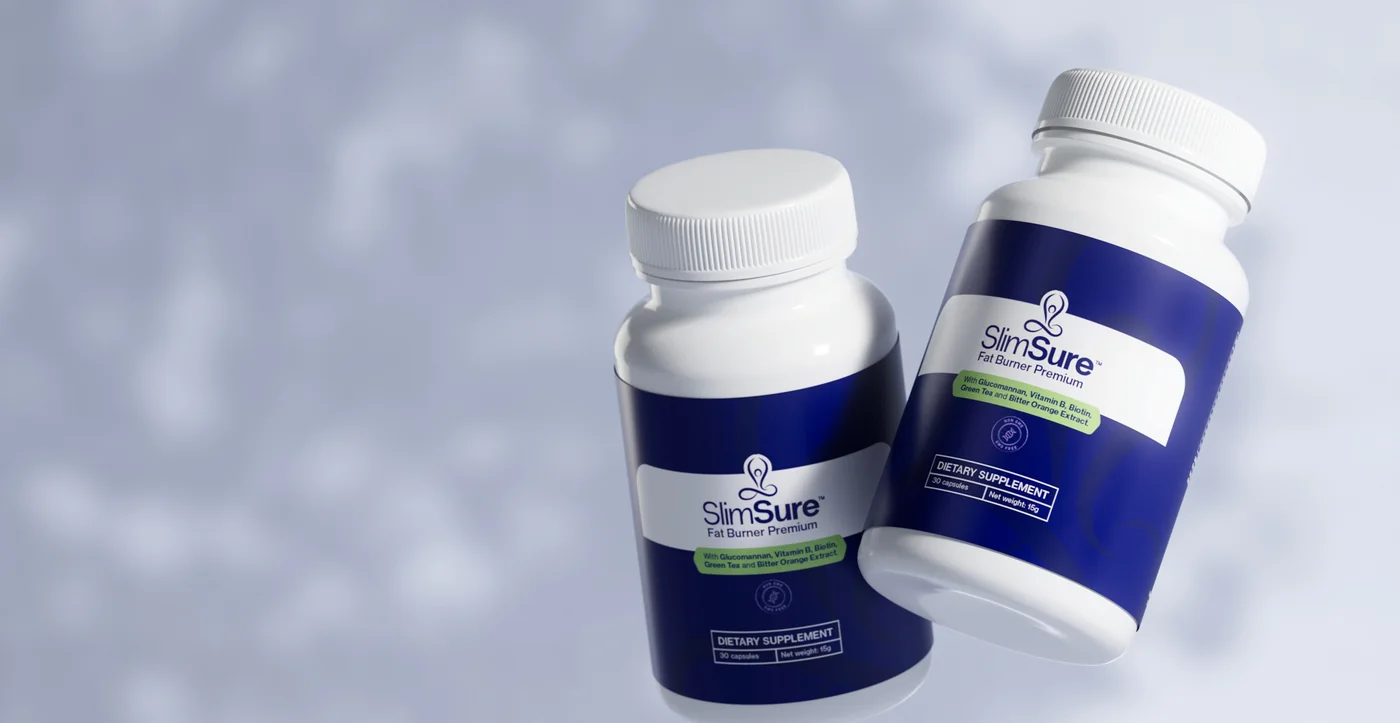
SlimSure combines glucomannan fiber with seven more named actives in one simple daily capsule — an easy add to a protein-rich breakfast to support fullness and everyday metabolism. Backed by a 60-day money-back guarantee.
See SlimSure Packages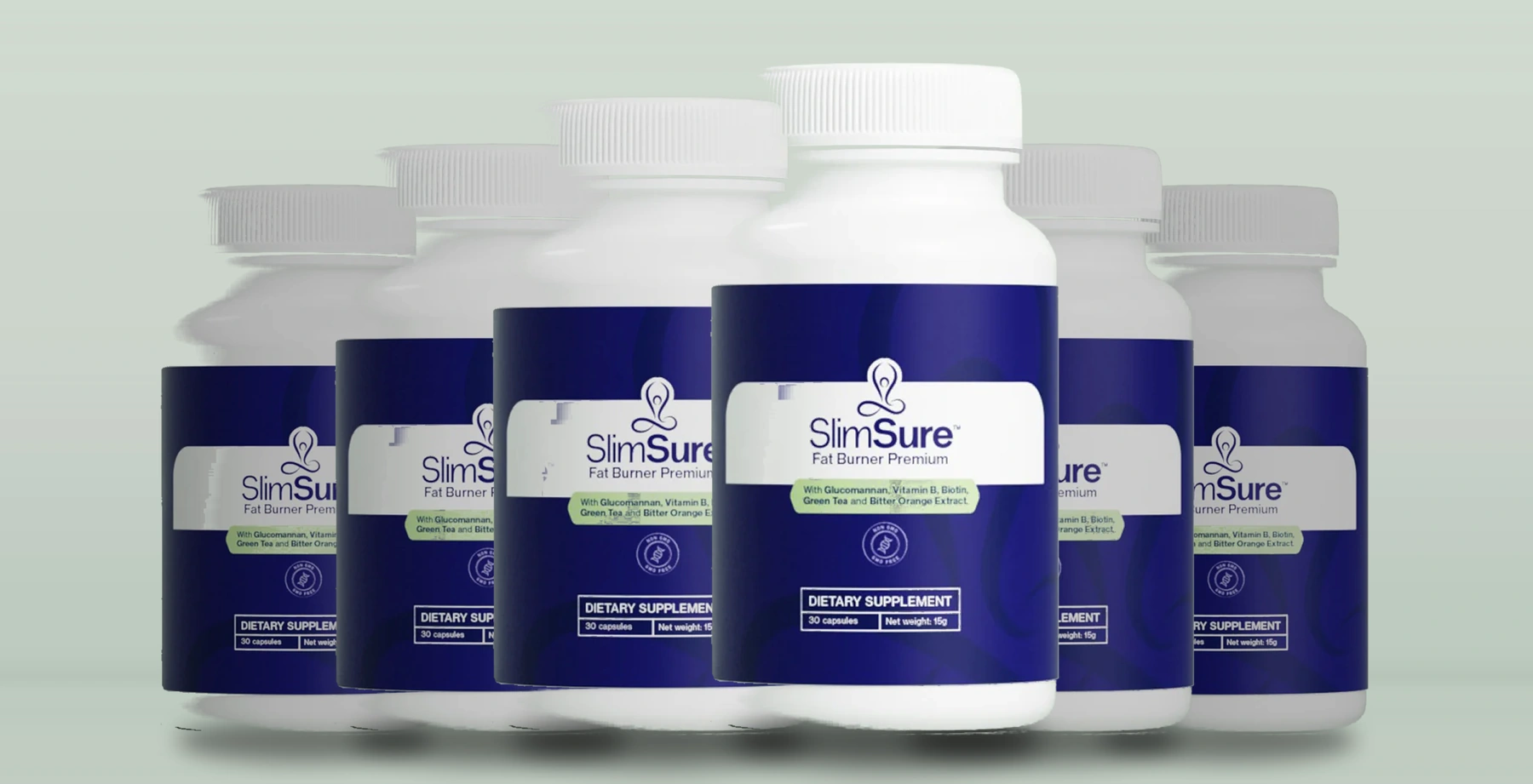
Do not forget the fiber
Protein is the anchor, but the real magic for appetite comes from pairing it with soluble fiber. Fiber slows digestion, feeds a healthy gut and adds to fullness, so a protein-and-fiber breakfast keeps you satisfied far longer than protein alone. Berries, oats, chia, ground flaxseed, vegetables and beans all add fiber to the morning. This protein-plus-fiber combination is the same principle behind our guide on how to curb appetite for weight loss, and it is one of the most reliable ways to head off later sugar cravings before they start.
Simple high-protein breakfast ideas
- ✓ Three-egg veggie omelette with a side of berries.
- ✓ Greek yogurt bowl with chia, oats and mixed berries.
- ✓ Overnight protein oats with milk, seeds and banana.
- ✓ Cottage cheese with tomato and wholegrain toast.
- ✓ Tofu scramble with spinach, peppers and turmeric.
- ✓ Smoked salmon and two poached eggs on rye.
Notice that each of these lands around the 25 to 35 gram protein mark and includes a source of fiber. That is the template: pick a protein, add a fiber, keep added sugar low, and you have a breakfast that works with your appetite instead of against it.
What about skipping breakfast?
Skipping breakfast is not automatically bad — some people genuinely do well eating within a shorter window. The question is what happens to your appetite and choices later in the day. If skipping leaves you ravenous by lunch and snacking hard by evening, a high-protein breakfast is likely worth keeping. If it keeps your appetite calm and your total intake sensible, that is fine too. Weight management responds to the whole day, not to one meal in isolation. If your progress has stalled despite doing things right, our piece on weight-loss plateau causes is a useful next read.
What the research says about protein at breakfast
Protein is the most satiating of the three macronutrients, and that is a measured effect rather than a slogan. A review in the American Journal of Clinical Nutrition (2015) concluded that higher-protein diets increase fullness, preserve lean mass during weight loss and improve weight maintenance afterwards. An earlier consensus review in the American Journal of Clinical Nutrition (2008) reached the same conclusion and noted that protein spread across meals works better than protein loaded into one.
Part of the advantage is thermic: work summarised in Nutrition & Metabolism (2004) shows that protein costs more energy to digest and process than carbohydrate or fat, so a protein-led plate does slightly more work than its calorie count suggests. The practical corollary is that a protein breakfast is a better answer to a busy morning than skipping the meal altogether, which usually just moves the hunger later.
Where a fiber-first supplement fits
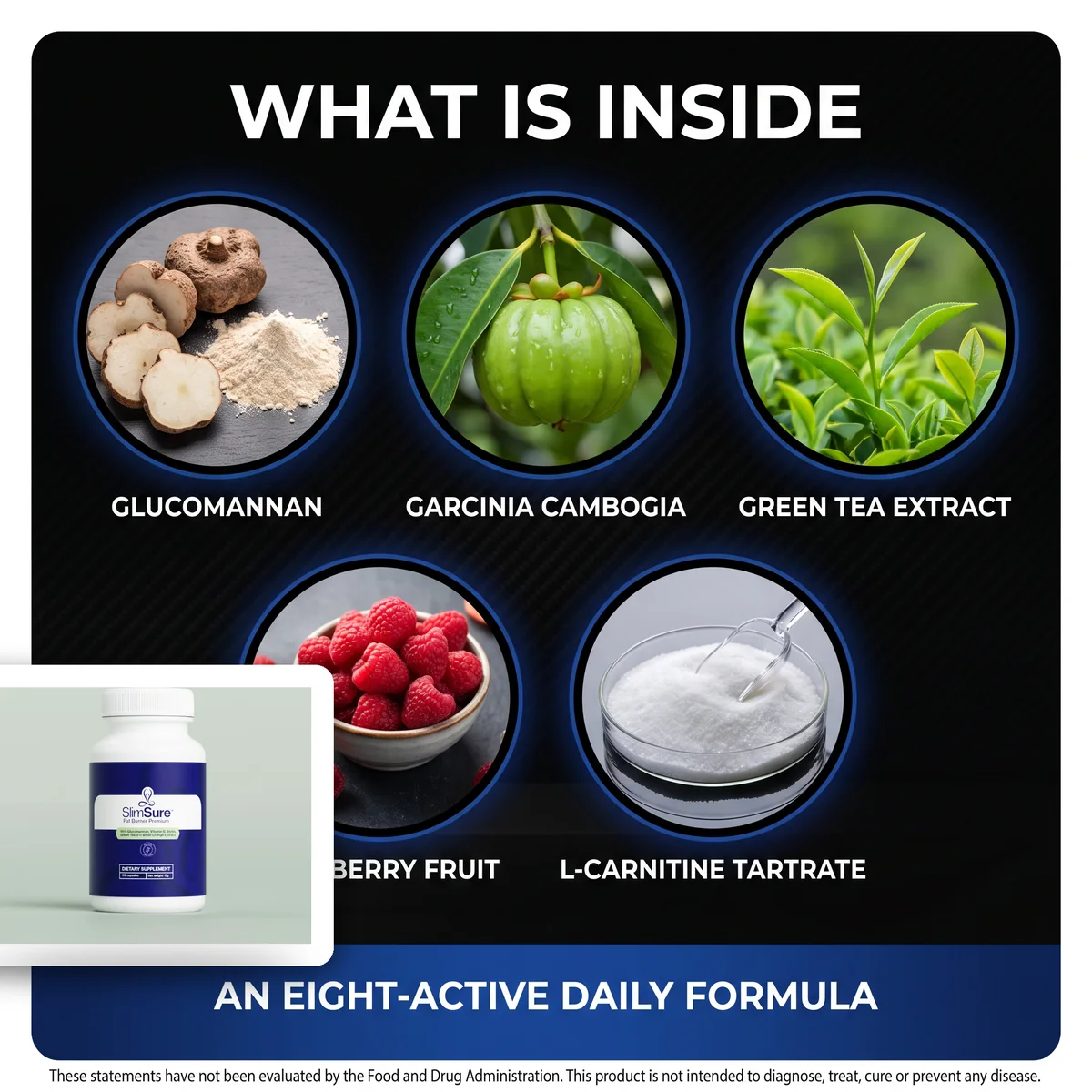
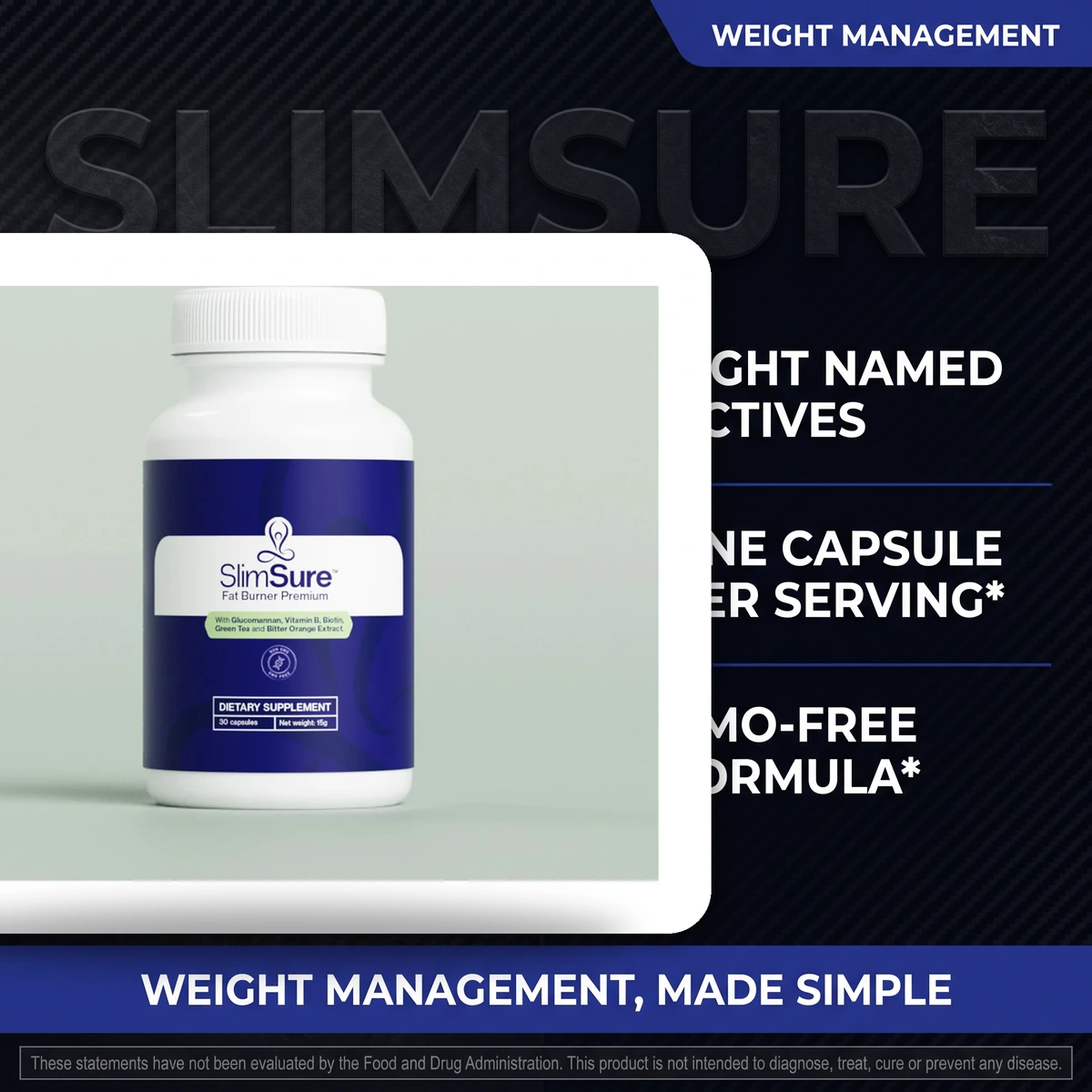
No supplement replaces a real, protein-rich breakfast — food does the heavy lifting. What a well-built formula can do is add to the fullness your meals provide. SlimSure is designed around this: a soluble-fiber base of glucomannan to support satiety, plus botanicals such as green tea and bitter orange extract traditionally used to support everyday metabolism, together with raspberry ketones, L-carnitine, a vitamin B complex and biotin — eight named actives in a single once-daily capsule taken with water.
Anchor your morning with protein and fiber, use a fiber-first capsule as one more small lever, and let consistency do the rest. For more practical reads, browse the SlimSure blog or start on our homepage.
FAQ
Why is a high-protein breakfast good for weight loss?
Protein is the most filling of the three macronutrients, so a protein-rich breakfast helps you feel satisfied for longer and tends to reduce hunger and snacking later in the day. It also helps preserve muscle while you lose fat, and it takes slightly more energy to digest than carbs or fat. Together this makes protein a practical anchor for a weight-management breakfast.
How much protein should breakfast have for weight loss?
A useful target for many adults is around 25 to 35 grams of protein at breakfast. That is roughly three eggs plus Greek yogurt, or a bowl of yogurt with seeds and a scoop of protein, or two eggs with cottage cheese. Spreading protein fairly evenly across meals rather than saving it all for dinner supports fullness and muscle throughout the day.
What are the best high-protein breakfast foods?
Top choices include eggs, Greek yogurt, cottage cheese, skyr, tofu scramble, smoked salmon, protein oats, and unsweetened protein shakes. Pair them with fiber from fruit, vegetables, oats or seeds, and a little healthy fat, and you get a breakfast that is both filling and balanced.
Is skipping breakfast better for losing weight?
It depends on the person. Some do well eating in a shorter window and skipping breakfast; others find it leads to intense hunger and overeating later. If you tend to crave and snack in the afternoon and evening, a solid high-protein breakfast often steadies your appetite for the whole day and is worth keeping.
Can a fiber supplement replace breakfast protein?
No. A supplement is support, not a meal replacement. SlimSure is a fiber-first formula that supports fullness and everyday metabolism alongside balanced, protein-rich meals. Real food protein at breakfast does the heavy lifting; a fiber-first capsule is one small lever that complements it.
The SlimSure Research Team is an independent group of writers and reviewers focused on everyday weight management, nutrition and dietary-supplement science. We translate peer-reviewed research and guidance from bodies such as the NIH and Harvard T.H. Chan School of Public Health into plain, practical advice. Our articles are informational only and are reviewed for accuracy before publishing; they are not a substitute for personalised medical care. |
References
- Leidy HJ, Clifton PM, Astrup A, et al. The role of protein in weight loss and maintenance. American Journal of Clinical Nutrition, 2015. PMID: 25926512.
- Paddon-Jones D, Westman E, Mattes RD, et al. Protein, weight management, and satiety. American Journal of Clinical Nutrition, 2008. PMID: 18469287.
- Westerterp KR. Diet induced thermogenesis. Nutrition & Metabolism, 2004. PMID: 15507147.
- Harvard T.H. Chan School of Public Health, The Nutrition Source — Protein.
- National Institutes of Health, Office of Dietary Supplements — Dietary Supplements for Weight Loss: Fact Sheet for Consumers.
† These statements have not been evaluated by the Food and Drug Administration. This product is not intended to diagnose, treat, cure or prevent any disease. This article is for general information only and is not medical advice; consult a qualified healthcare professional before making changes to your diet or supplement routine.